Four fabulous new interns have joined the Press for our second session of 2026—remotely, from around the country—and it’s our pleasure to introduce you to each of them here. We’ll share their 60-second Q&As every #MeettheInternMonday in the coming weeks, so check back!
P.S. Interested in becoming a Copper Canyon Press intern? Applications for the Spring 2027 cohort open on September 1. Learn more about our internship program here.
Meet Olivia
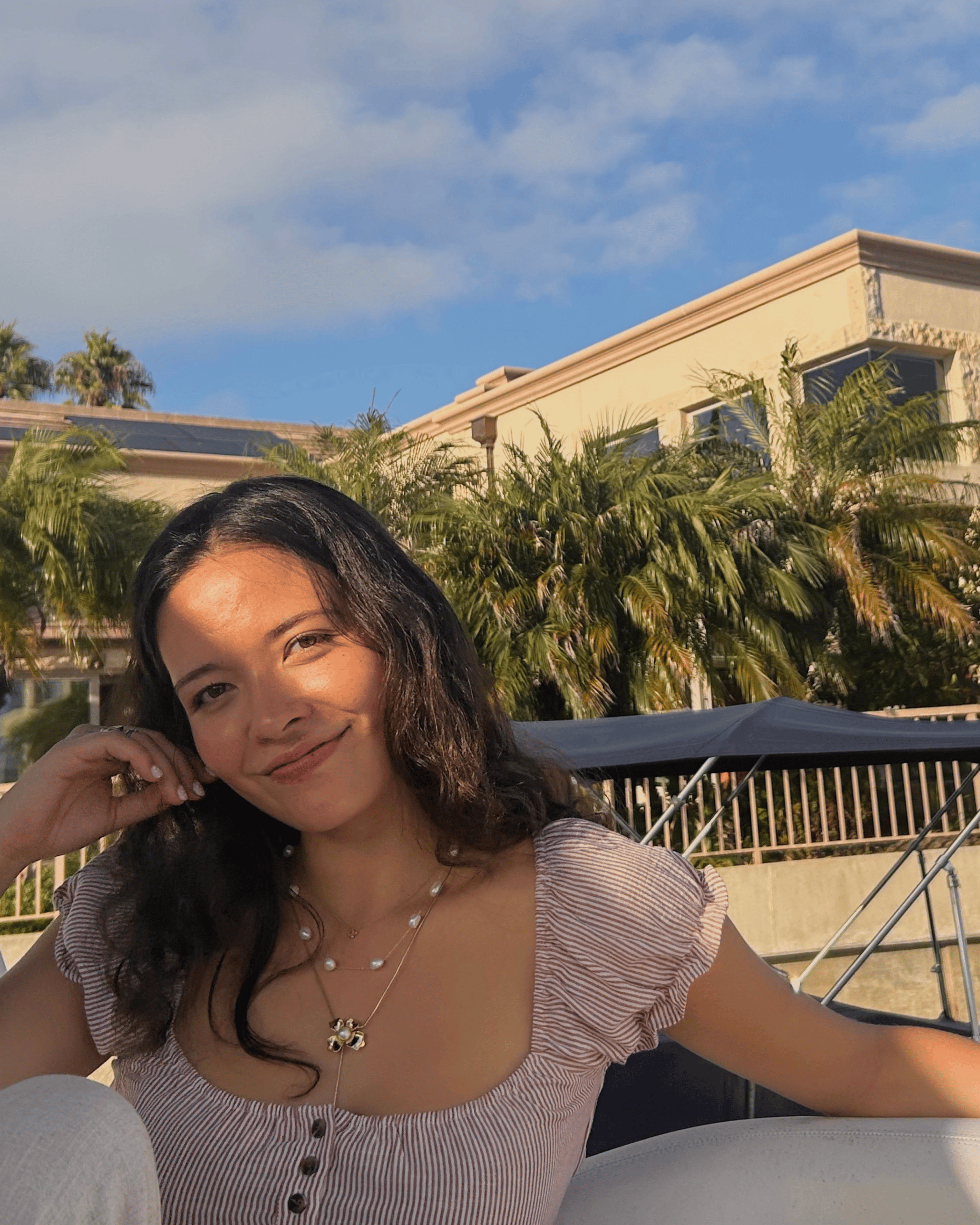 CCP: What’s your favorite aspect of the intern experience at Copper Canyon Press so far?
O: My favorite part of the internship experience thus far has been getting to know the wonderful team at the Press. Everyone has been so encouraging, open, and enthusiastic to teach us more about their work! I have loved learning about the entire process of creating a Copper Canyon Press book, and I look forward to seeing the process playout firsthand! I cannot wait to get to know everyone better and contribute more meaningfully to the Press.
CCP: Please tell us about a forthcoming Copper Canyon Press title you’re excited about, and why.
O: I am especially excited for Kazim Ali’s The Man in 119, coming out this August. Ali’s writing has a unique musical nature, and I’m particularly eager to see how this style intersects with the book’s exploration of memory, spirituality and geography.
CCP: Please give us a line from a poem that you can’t get out of your head.
O: I have recently been ruminating on a poem by David Wilson called “Crampons.” The poem tells the story of a climber rediscovering a pair of mountaineering crampons in an attic, emblematic of the person the narrator once was. The discovery rekindles a sharp memory of the ice and Alps, which to me, captures the quiet peace and nostalgia in reconciling the past and present self: “Tell me again about being single-minded, // about couloirs bulging with fat blue ice / and dawn arriving high in the Alps; / how a slope exists at a perfect angle / where it all might kick in again.”
Meet Alo
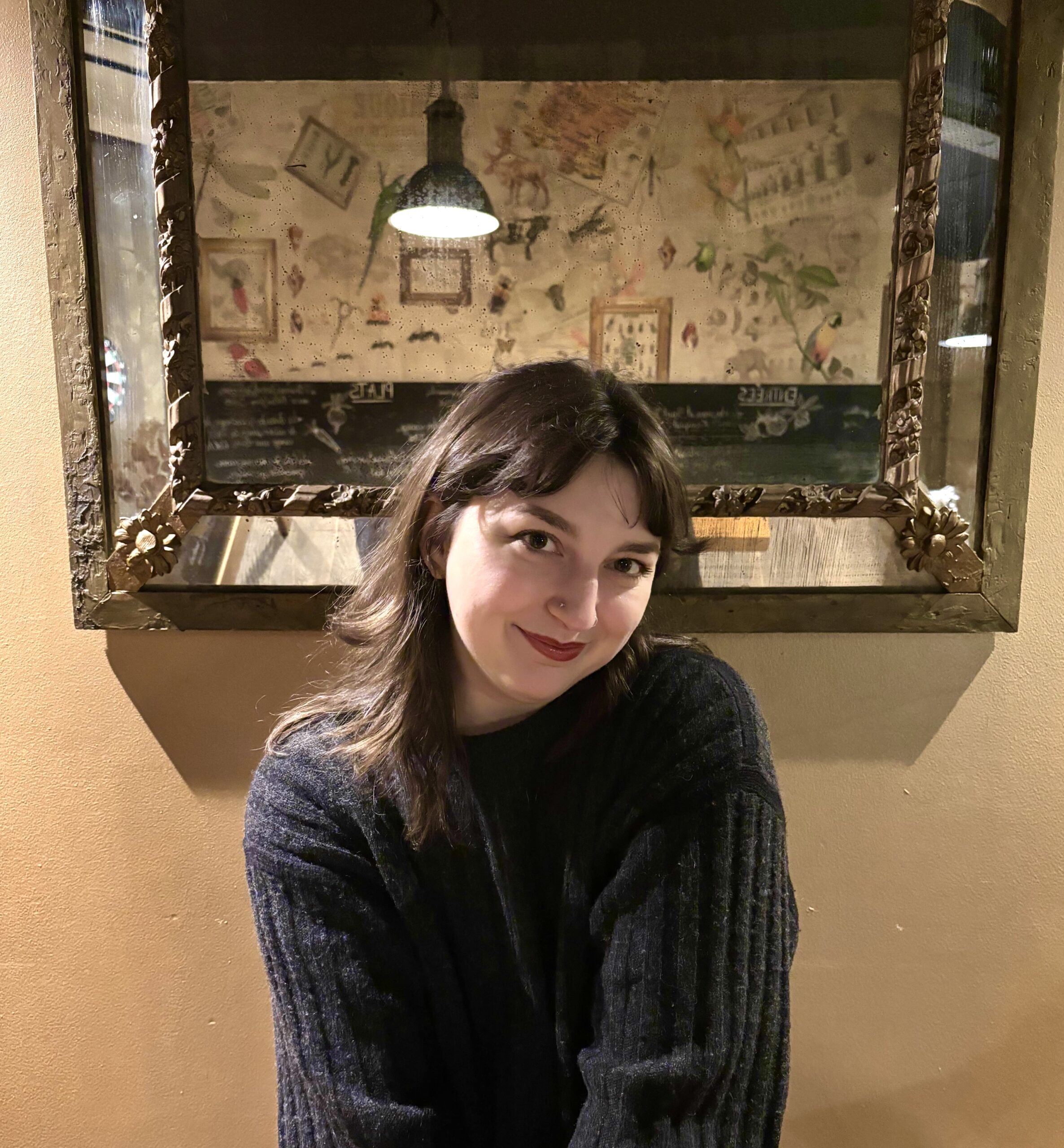
CCP: What’s your favorite aspect of the intern experience at Copper Canyon Press so far?
A: My favorite part of the internship experience thus far has been getting to know the wonderful team at the Press. Everyone has been so encouraging, open, and enthusiastic to teach us more about their work! I have loved learning about the entire process of creating a Copper Canyon Press book, and I look forward to seeing the process playout firsthand! I cannot wait to get to know everyone better and contribute more meaningfully to the Press.
CCP: Please tell us about a forthcoming Copper Canyon Press title you’re excited about, and why.
A: I am excitedly awaiting the release of Tishani Doshi’s Egrets, While War this September. Among my friends, it is no secret that I am hopelessly fond of bird motifs in writing, especially when the striking and concrete forms of birds are juxtaposed against the abstract concepts of grief, identity, and hope. I can’t wait to dive into Doshi’s poems and enjoy her incredible use of sound and emotional proximity alongside the bird imagery that I so enjoy.
CCP: Please give us a line from a poem that you can’t get out of your head.
A: In the past few years since her passing, I have often revisited the poems of Louise Glück. Most recently, I reread her astounding collection, The Wild Iris, which opens, in its titular poem: “At the end of my suffering / there was a door.”
Meet Sara
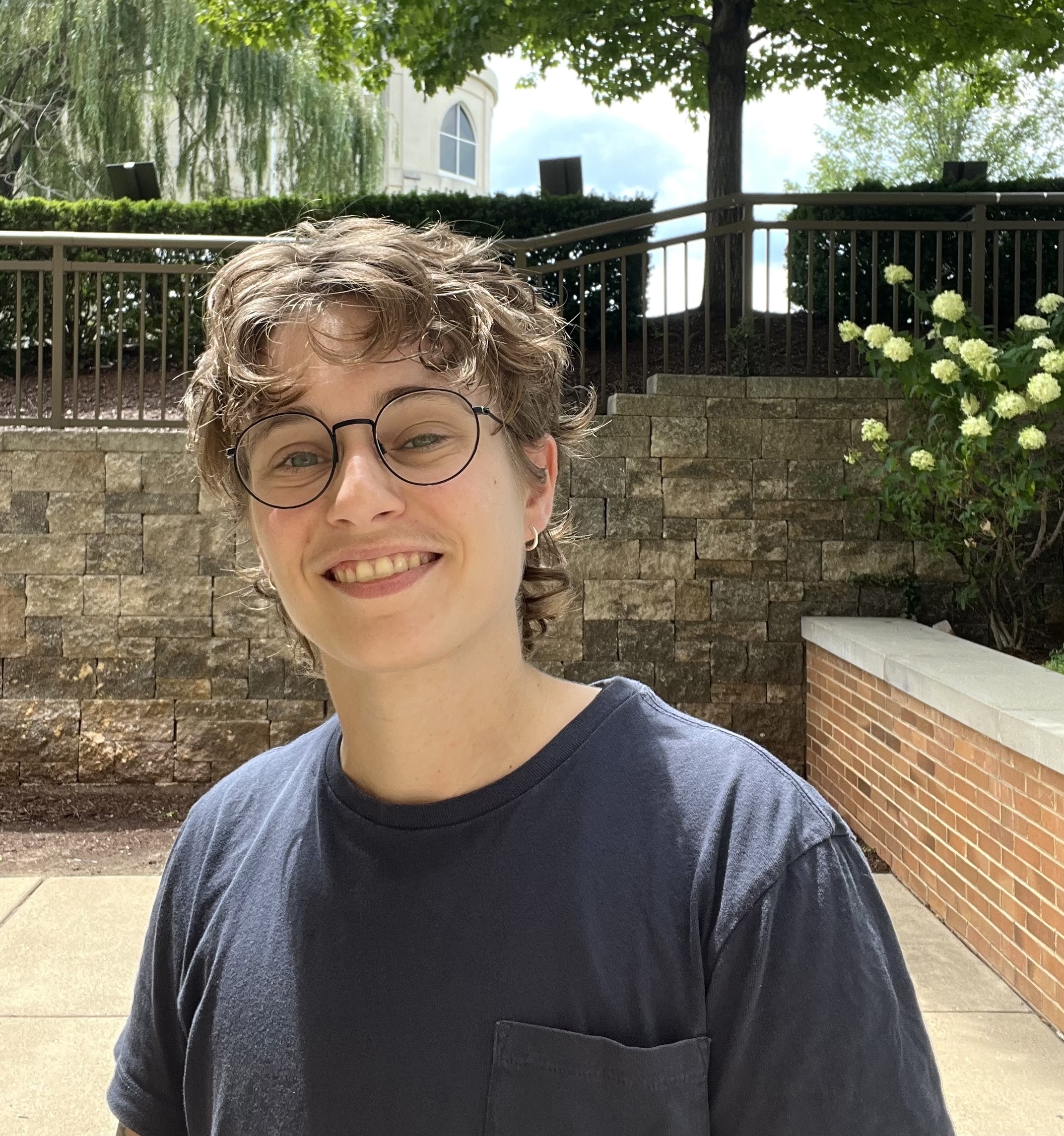
CCP: What’s your favorite aspect of the intern experience at Copper Canyon Press so far?
S: Everyone at Copper Canyon Press has been so welcoming. Everyone also loves and values poetry! It has been wonderful getting to talk about poems with a team that is deeply invested in poetry. Also, I appreciate the chance to work on a variety of projects. There is so much consideration that goes into each decision at the Press, from the details of a manusucript as it becomes a physical book to supporting authors through marketing and communications. I am excited to be a part of the process that helps connect readers to writers’ work.
CCP: Please tell us about a forthcoming Copper Canyon Press title you’re excited about, and why.
S: Pádraig Ó Tuama’s Love Between Men comes out next month. This collection reimagines stories and ideas of beginnings, and I am always excited to read poetry invested in the act of reframing. I’m also excited to see how Ó Tuama weaves a contemplative personal voice into this collection’s exploration of allegory and received forms.
CCP: Please give us a line from a poem that you can’t get out of your head.
S: The opening of Oliver Baez Bendorf’s poem “Field Guide”: “When you arrive, it must be morning. The light must blue over triangles of / treeline.”
Meet Emma
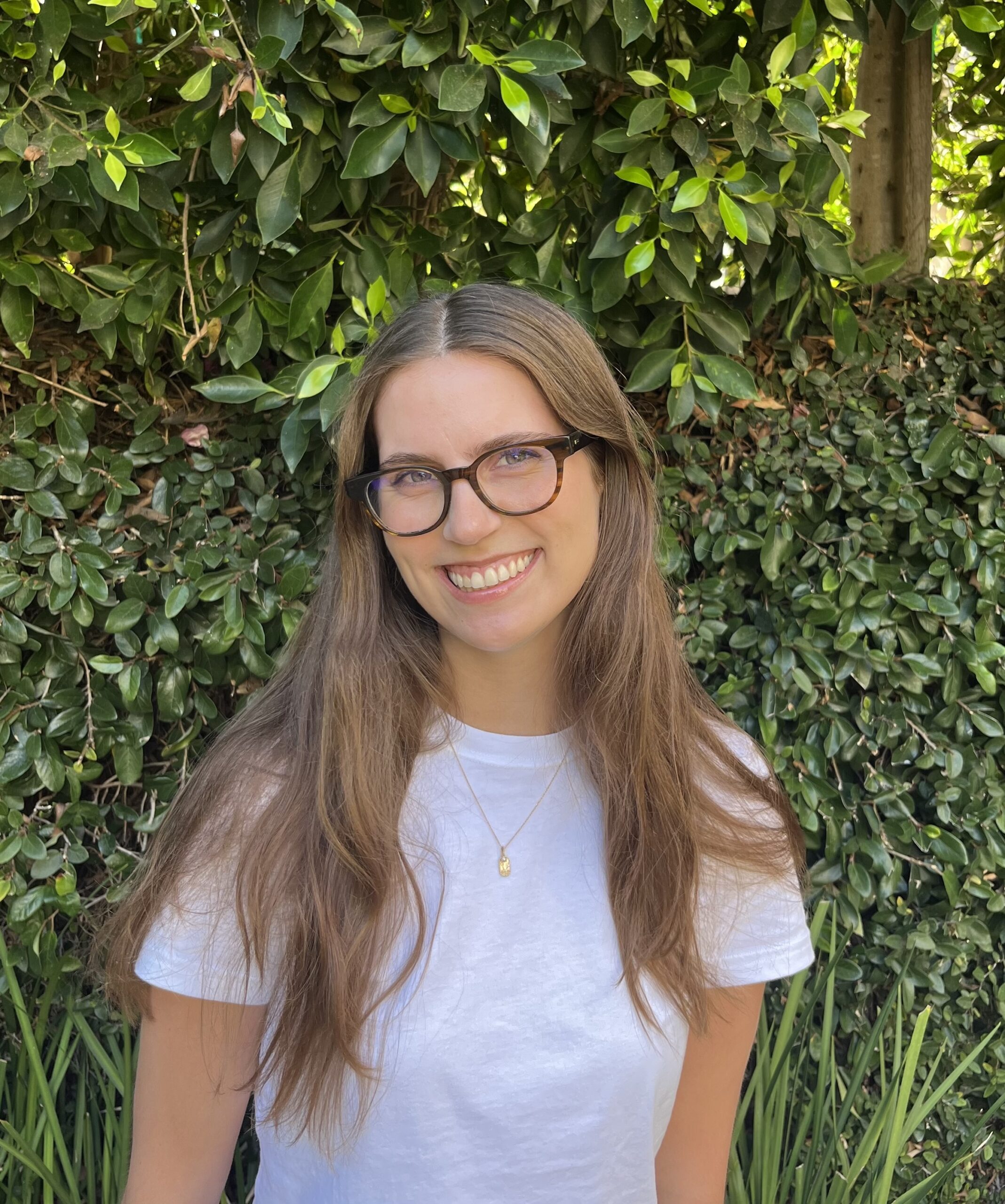
CCP: What’s your favorite aspect of the intern experience at Copper Canyon Press so far?
E: It’s hard to pick just one! I’ve been so grateful for the kindness, generosity, and excitement from everyone at the Press. It’s been amazing to learn about all of the hard work that goes into every Copper Canyon Press title, and then to get involved in those processes. There is so much care and creativity behind every single book that makes its way to readers. I’ve loved talking about all things poetry, diving into projects across departments, and developing new skills. I can’t wait to keep contributing to the Press with my fellow interns.
CCP: Please tell us about a forthcoming Copper Canyon Press title you’re excited about, and why.
E: I’m very excited about Pádraig Ó Tuama’s Love Between Men. I was given his previous book, Kitchen Hymns, by a very dear friend. I was so struck by the immersive language and the way Ó Tuama questions the self and the world around him throughout the collection. I’m looking forward to spending more time with Ó Tuama’s deep curiosity and moving explorations of themes like love, the body, and religion. I’ll have to send a copy of Love Between Men to my friend to continue our little Ó Tuama book club.
CCP: Please give us a line from a poem that you can’t get out of your head.
E: A line from jason b. crawford’s “Untitled Love Poem For . . .” has been rattling around my mind since I read it: “I apologize, / I have started from happiness again.”