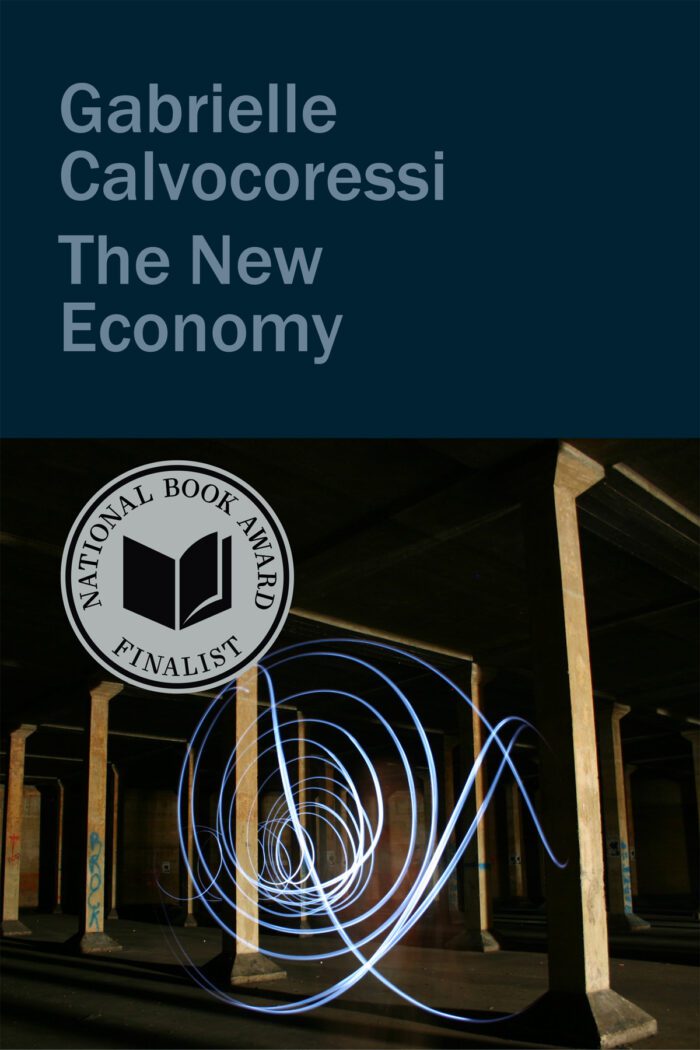
A devotional to the ungendered vessel as it ages, dreams, and survives. Lyrical and unafraid, The New Economy invites us to name our fears and sorrows, to write to who or what has left us, to create practices that can hold both the darkness and light of this (in)finite life.
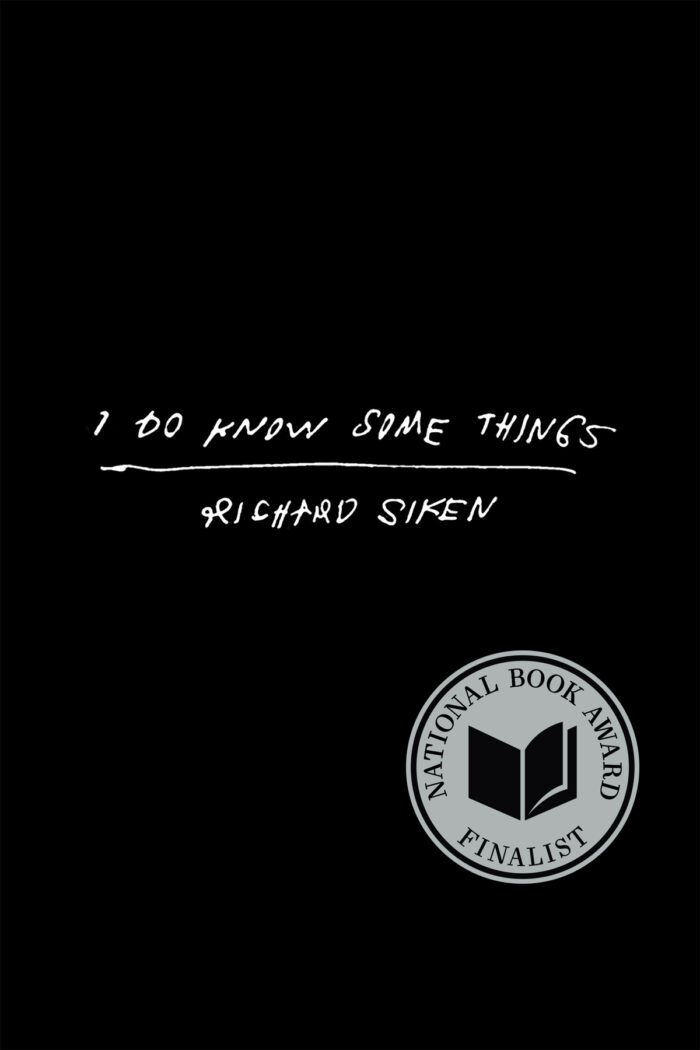
Richard Siken’s long-anticipated third collection, I Do Know Some Things, navigates the ruptured landmarks of family trauma: a mother abandons her son, a husband chooses death over his wife. While excavating these losses, personal history unfolds.
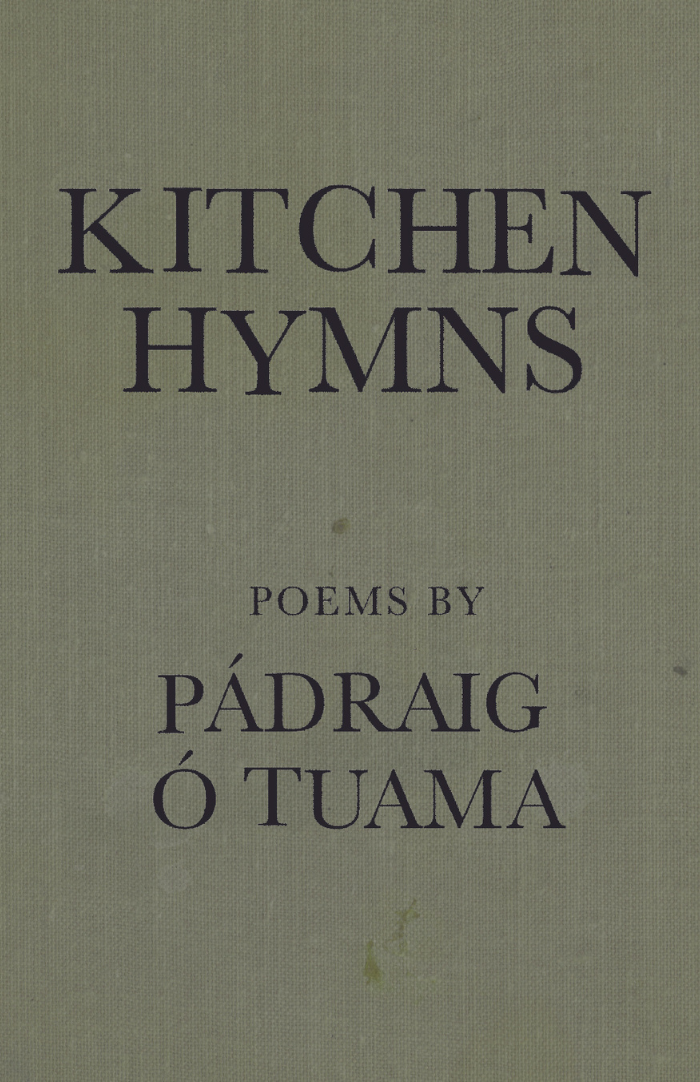
Pádraig Ó Tuama’s Kitchen Hymns opens with a question: “Do You Believe in God?” — but the bee, “gone extinct,” cannot answer, and the grass calls believe “a poor verb.” This collection trades belief for language, and philosophy is grounded in form and narrative. A study in lyric address, Kitchen Hymns speaks to a shifting “you”: an unknown you; the strange you; a lover, a hated other; the you of erotic desire; the you of creation and destruction.
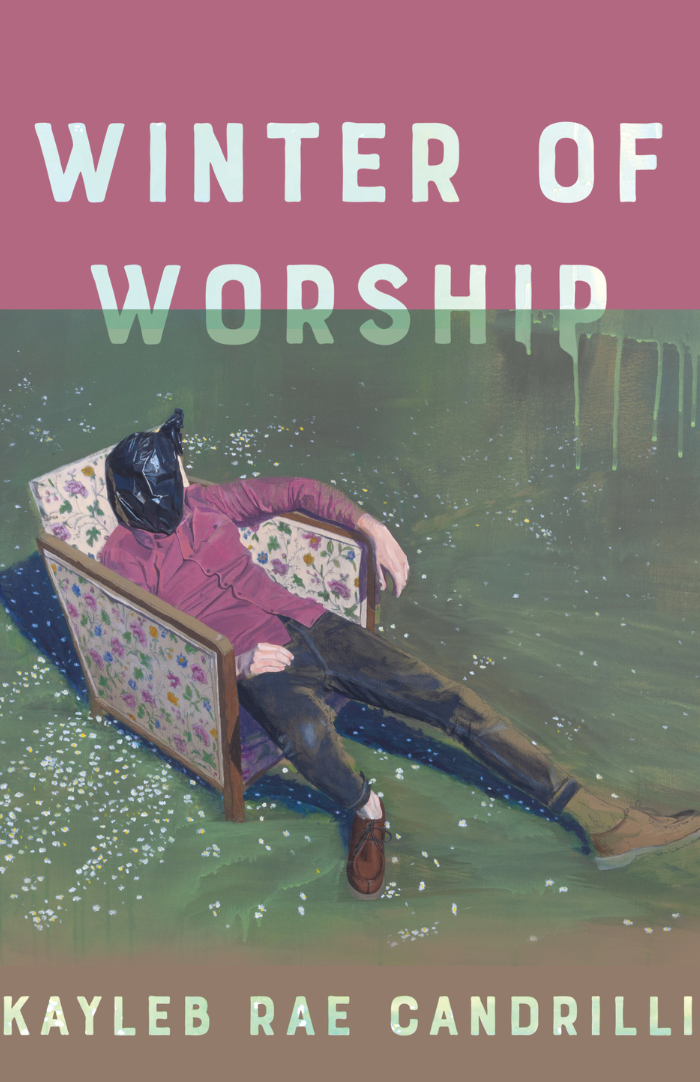
Told through an ever-queer lens, Kayleb Rae Candrilli’s fourth collection, Winter of Worship, is a patchwork of the pastoral and the “litter swirled around us”—a pandemic, global warming, a hometown hit by storms of fentanyl and Oxycontin scripts.
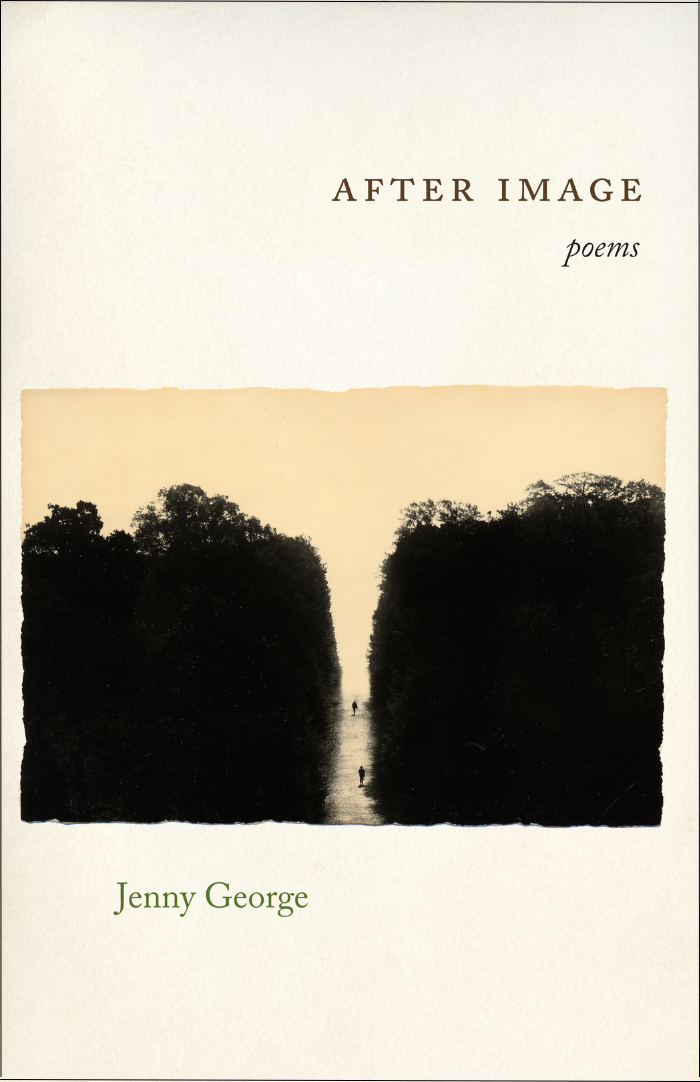
Carefully woven from a dreamlike set of images which echo and reconfigure throughout the collection, the poems in Jenny George’s After Image hug the cusp between life and death, between a living body and its absence. In scenes that hover between the ordinary, the imagined, and the unknowable, and with George’s sly, meticulous simplicity, After Image asks what lingers in the face of death and what falls away.
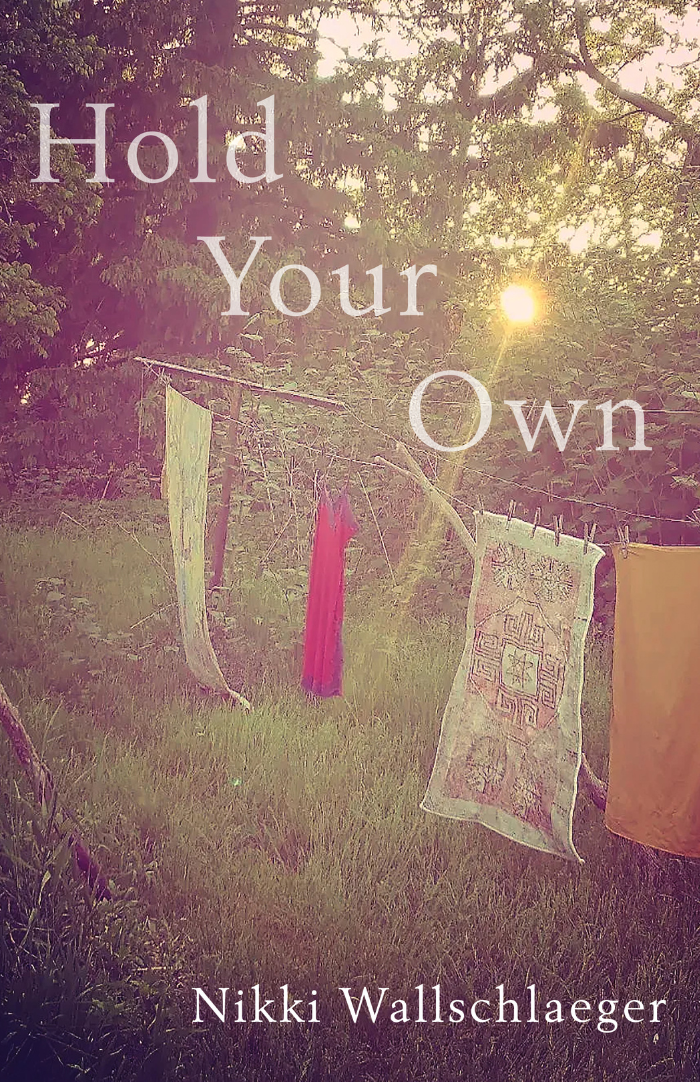
Through her signature blend of sharp social critiques and tender lyric supplications, Nikki Wallschlaeger plumbs the depths of emotional experience with fearless agency and exciting poetic experimentation.
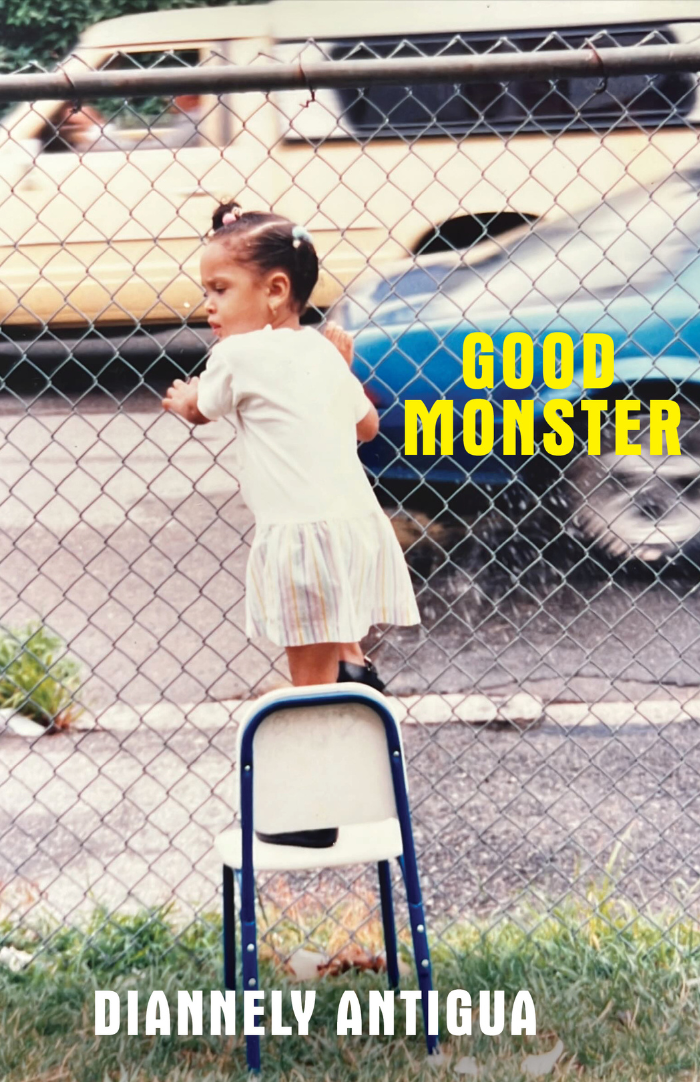
Diannely Antigua’s Good Monster grapples with the body as a site of chronic pain and trauma. Poignant and guttural, the collection “voyage[s] the land / between crisis and hope,” chronicling Antigua’s reckoning with shame and her fallout with faith.
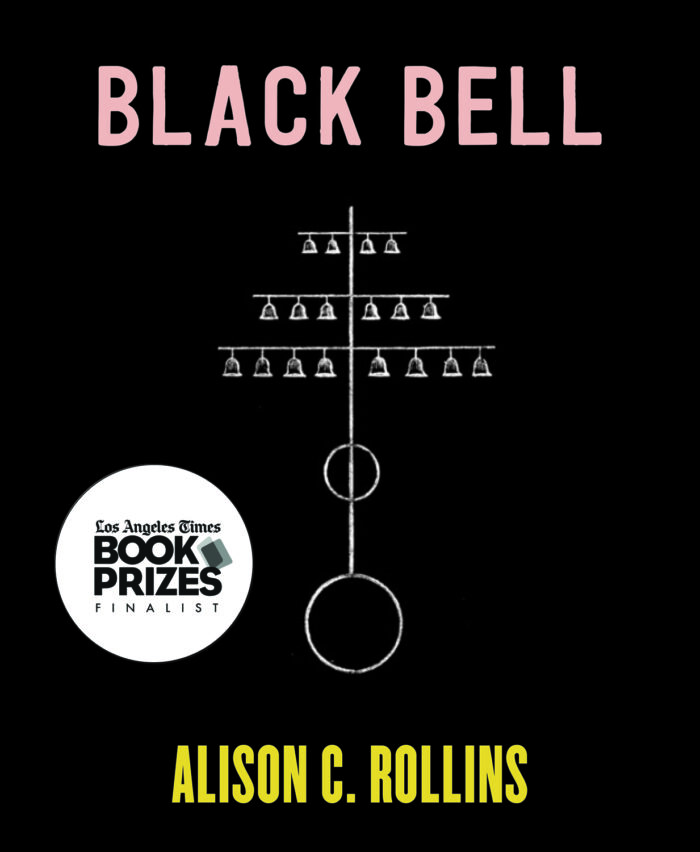
Integrating performance art practices, metalwork, and sonics, Black Bell becomes a multimedia meditation on freedom seeking, furthering the possibilities of the canvas of the page as well as the poet’s body.
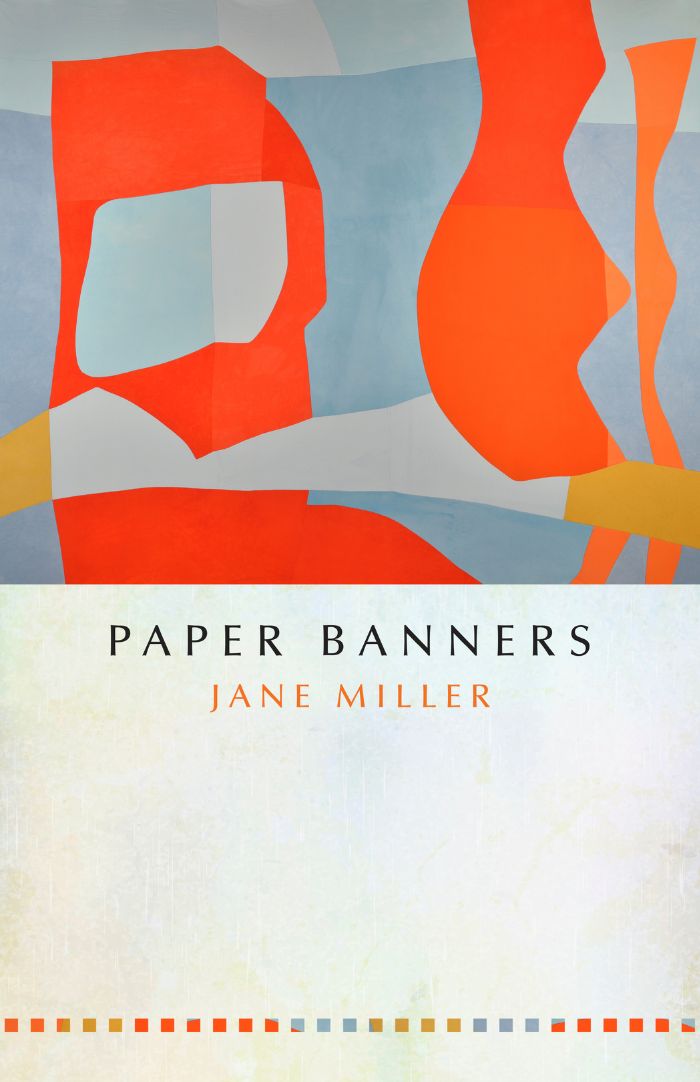
As Miller catalogues the intimate experiences that make up a life—friendships, loves, dreams, our human connection to the environment—Paper Banners becomes a hope that “what will survive of us is love.”
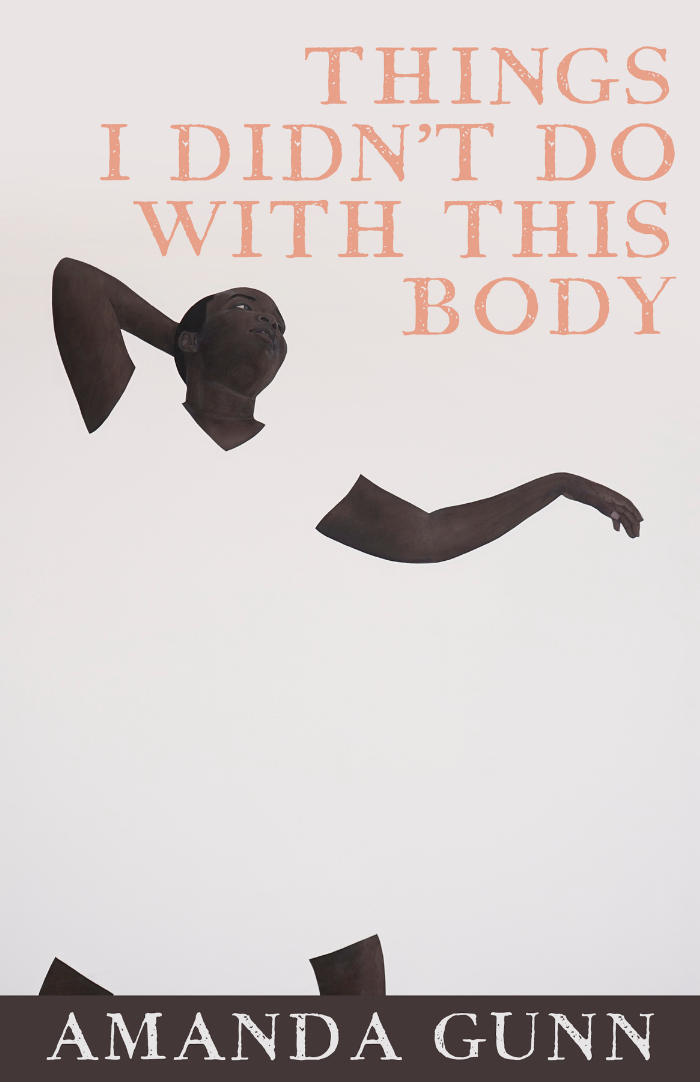
With poems as malleable as the skin that “misplaced one hundred nine pounds” and filled it again, Gunn proves that, for the Black body, memory often presents the heaviest weight.
One of our leading American practitioners of poetic form and liberating constraint, Randall Mann has confronted what it means to identify as multiracial and queer in urban America for thirty years.
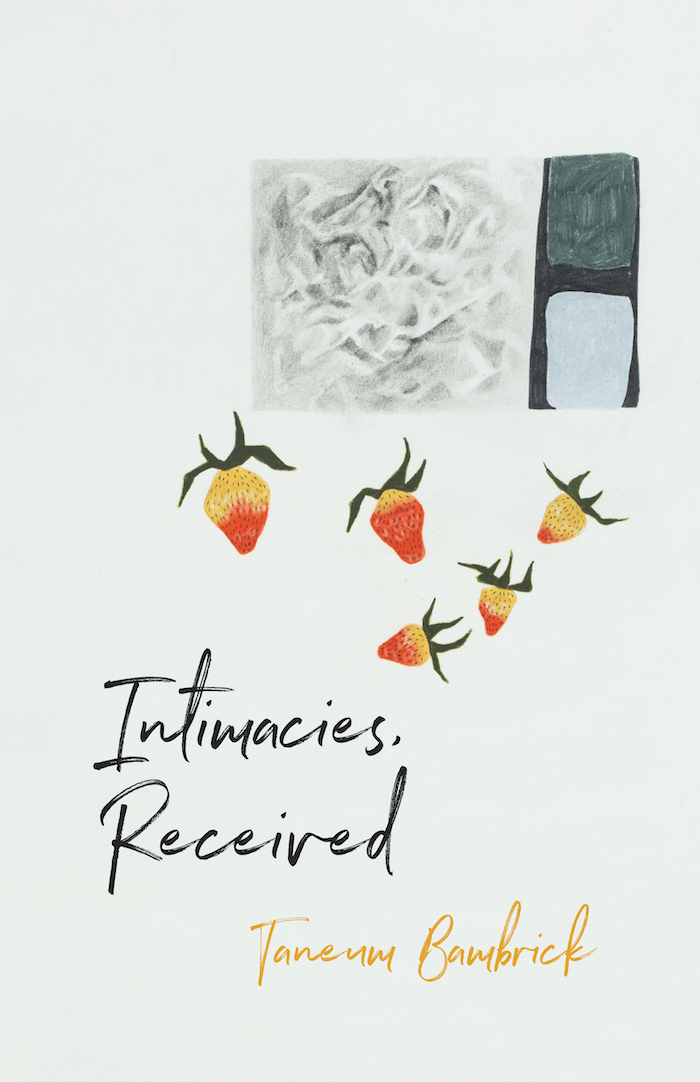
In this astonishing second collection by Taneum Bambrick, violence hides in the glint of the carving knife—every intimacy a shadow, every memory a maze to navigate. Set primarily in rural Southern Spain, Intimacies, Received moves through streets and fields, households and years, following a survivor of sexual assault as she painstakingly reassembles a narrative of self.
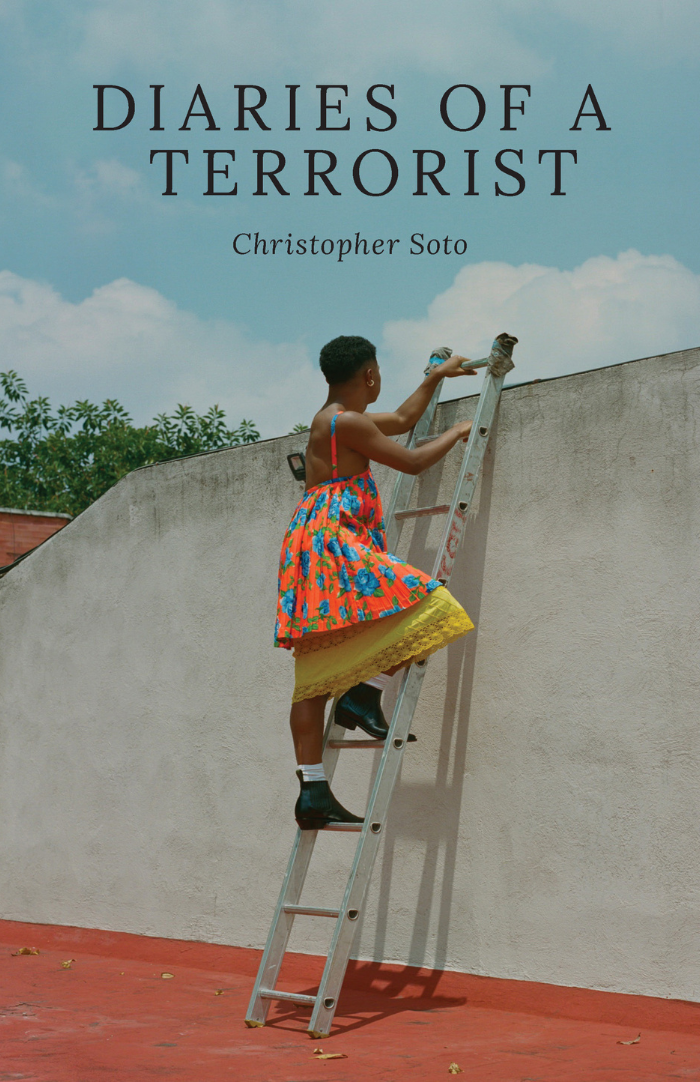
Soto asks, “Who do we call terrorist, & why”? These political surrealist poems shift between gut-wrenching vulnerability, laugh-aloud humor, and unapologetic queer punk raunchiness. Diaries of a Terrorist is groundbreaking in its ability to speak—from a local to a global scale—about one of the most important issues of our time.
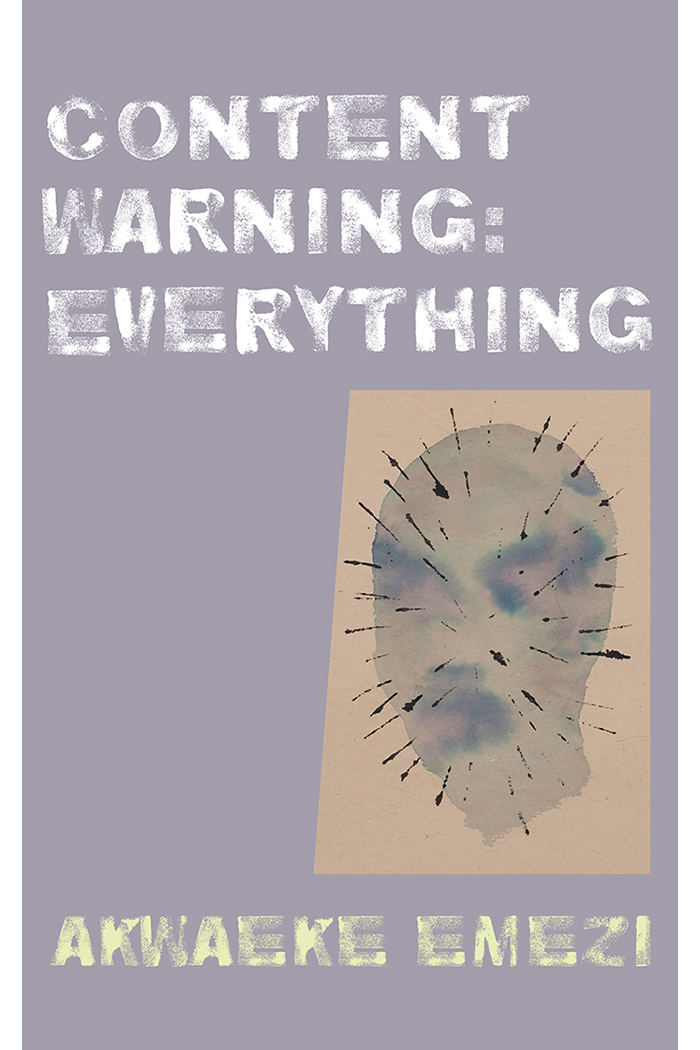
Written from a spiritfirst perspective and celebrating the essence of self that is impossible to drown, kill, or reduce, Content Warning: Everything distills the radiant power and epic grief of a mischievous and wanting young deity, embodied.
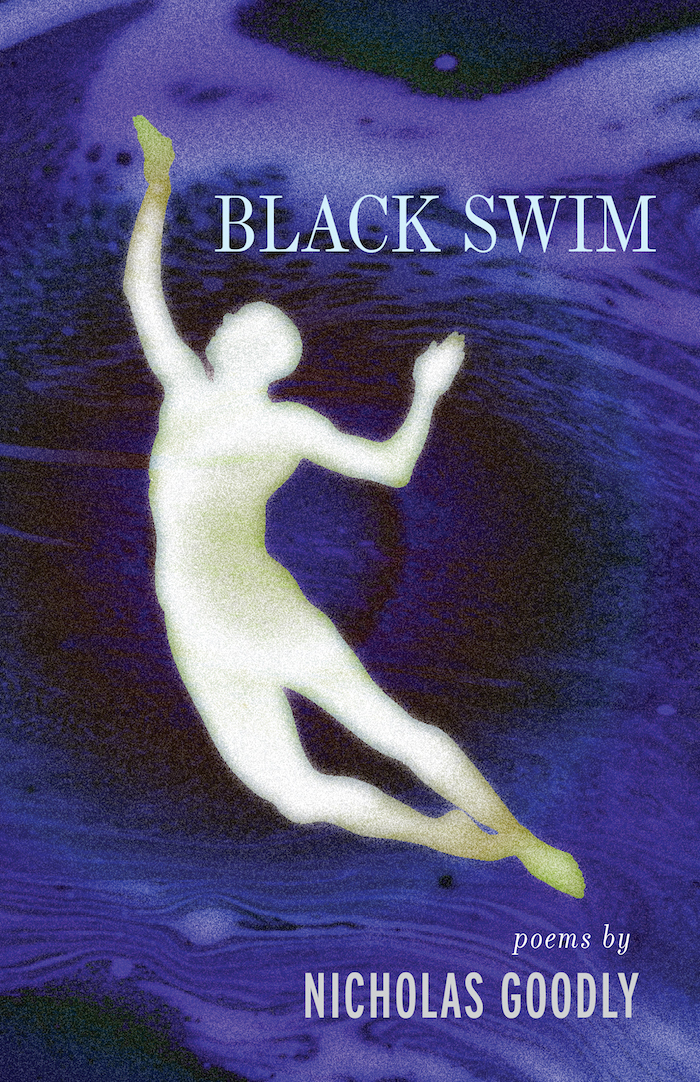
Amidst death and against injustice, Goodly’s poems bear gifts for and from the ancestors—a necklace, a mirror, a form of offered prayer: “If there is a purpose in this life / let me wash my face in it.”
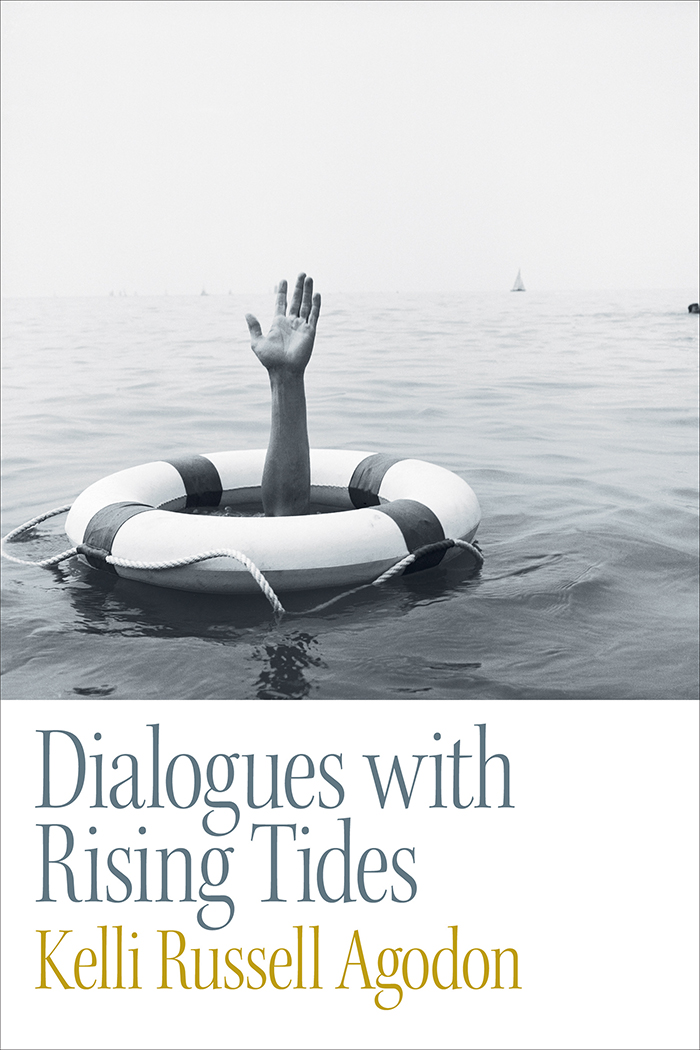
In Kelli Russell Agodon’s fourth collection, each poem facilitates a humane and honest conversation with the forces that threaten to take us under. The anxieties and heartbreaks of life―including environmental collapse, cruel politics, and the persistent specter of suicide―are met with emotional vulnerability and darkly sparkling humor.
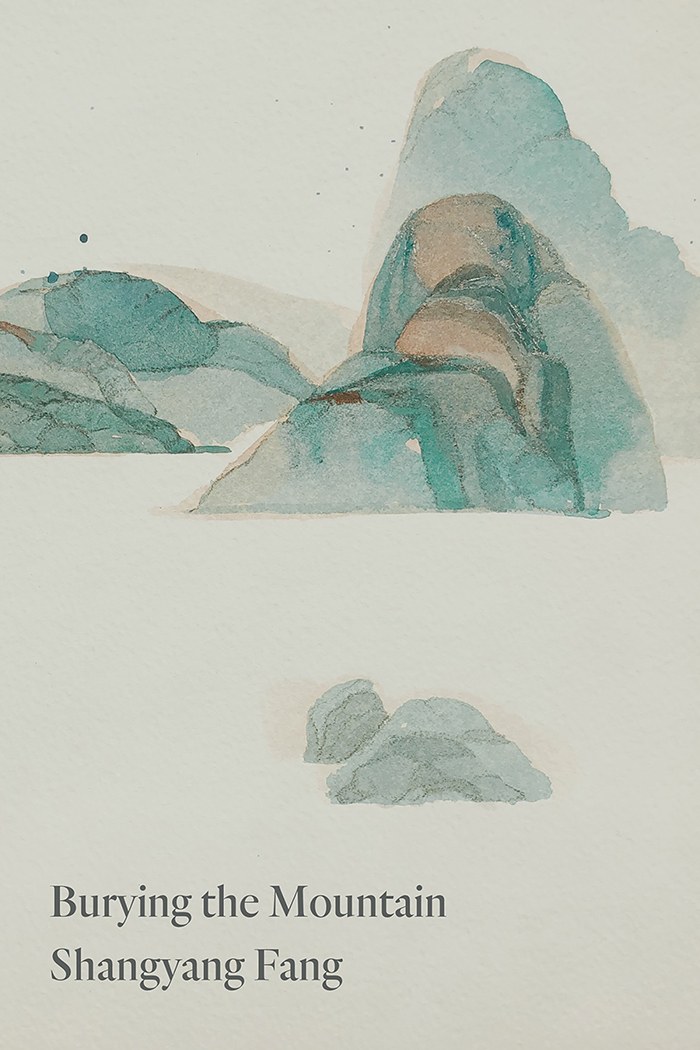
In Shangyang Fang’s debut Burying the Mountain, longing and loss rush through a portal of difficult beauty. Absence is translated into fire ants and snow, a boy’s desire is transfigured into the indifference of mountains and rivers, and loneliness finds its place in the wounded openness of language. From the surface of a Song Dynasty ink-wash painting to a makeshift bedroom in Chengdu, these poems thread intimacy, eros, and grief. Evoking the music of ancient Chinese poetry, Fang alloys political erasure, exile, remembrance, and death into a single brushstroke on the silk scroll, where names are forgotten as paper boats on water.
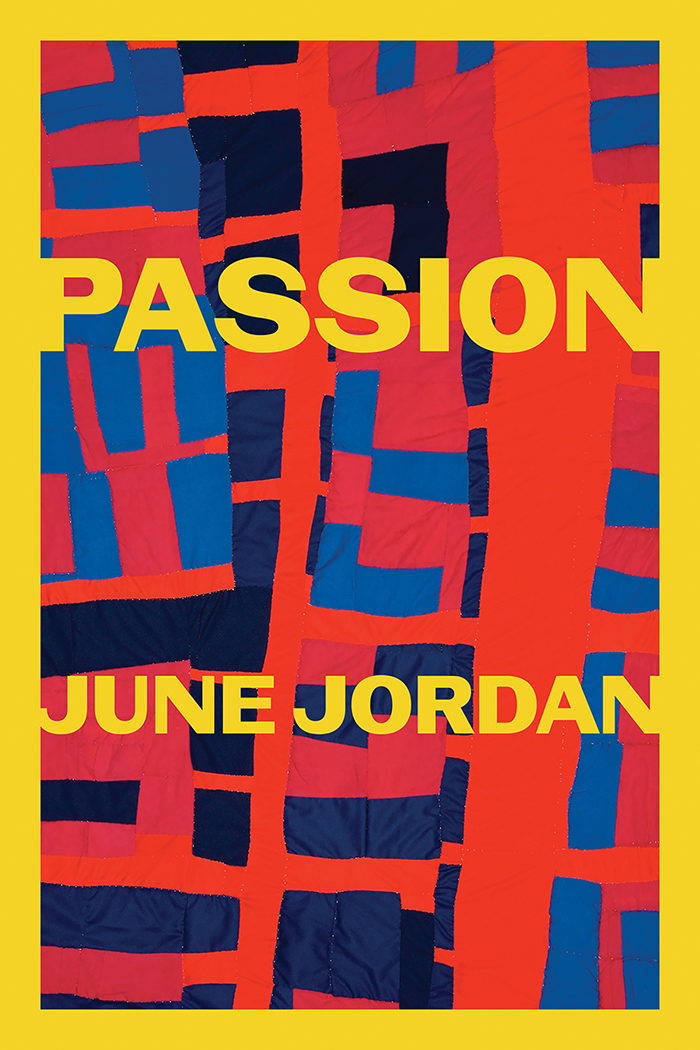
After decades out of print, Passion―one of June Jordan’s most important collections―has returned to readers. Originally entitled, passion: new poems, 1977-1980, this volume holds key works including “Poem About My Rights,” “Poem About Police Violence,” “Free Flight,” and an essay by the poet, “For the Sake of the People’s Poetry: Walt Whitman and the Rest of Us.”
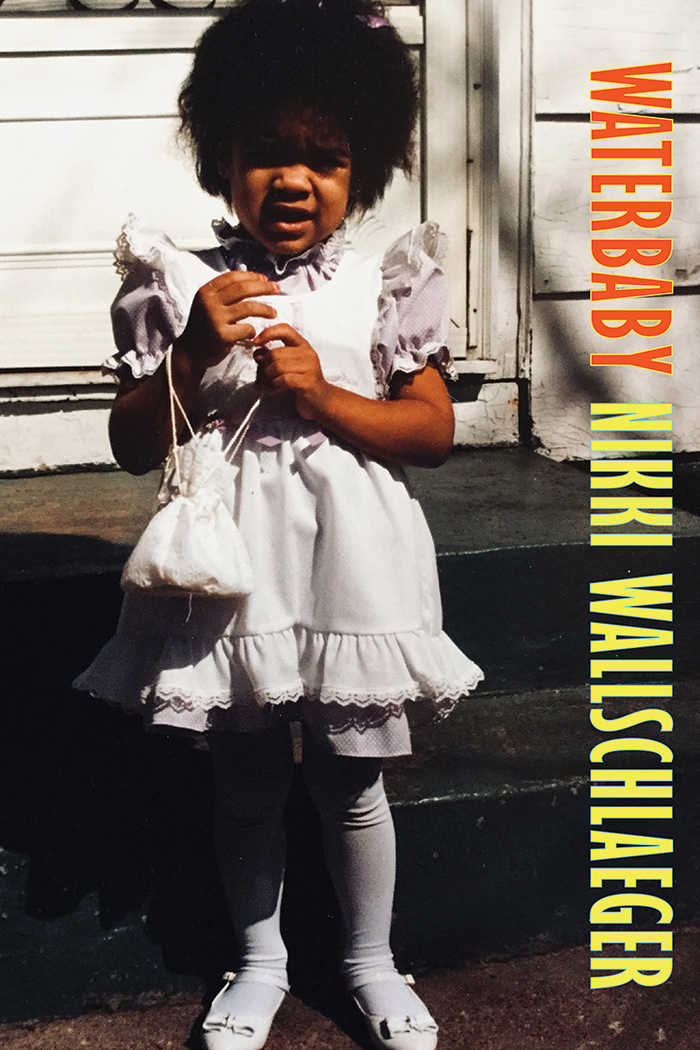
Waterbaby sings the blues in every key, as Wallschlaeger uses her vibrant lexicon and varied rhythms to condense and expand emotion, hurry and slow meaning, communicating the profound simultaneity of righteous dissatisfaction with an unjust world, and radical love for what’s possible.
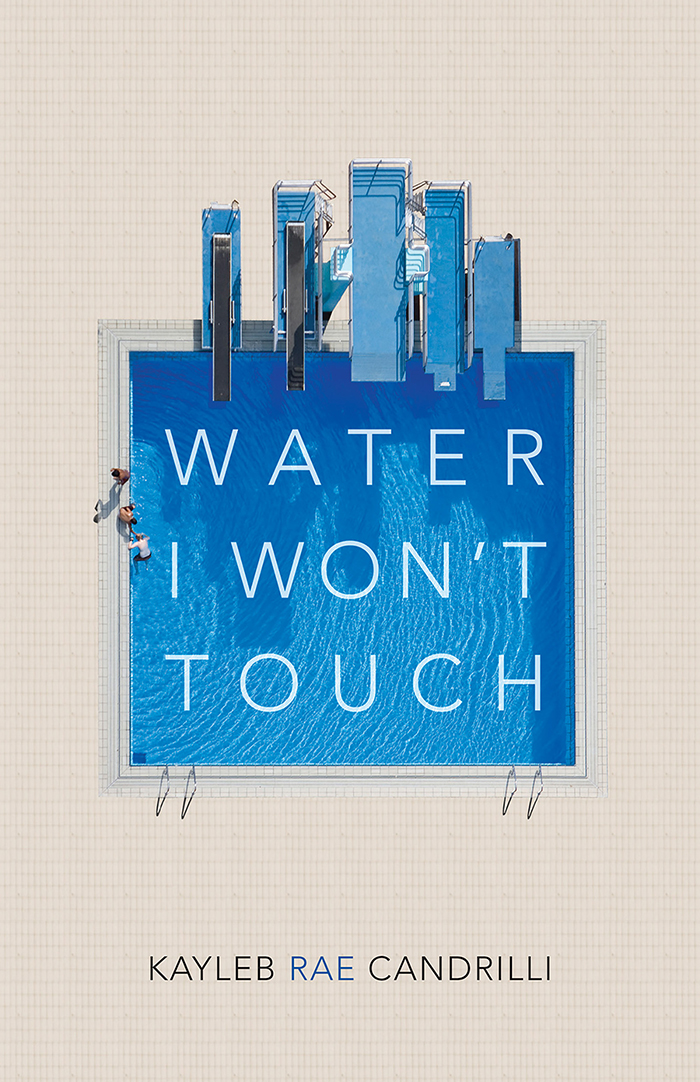
Both radically tender and desperate for change, Water I Won’t Touch is a life raft and a self-portrait, concerned with the vitality of trans people living in a dangerous and inhospitable landscape. Through the brambles of the Pennsylvania forest to a stretch of the Jersey Shore, in quiet moments and violent memories, Kayleb Rae Candrilli touches the broken earth and examines the whole in its parts.
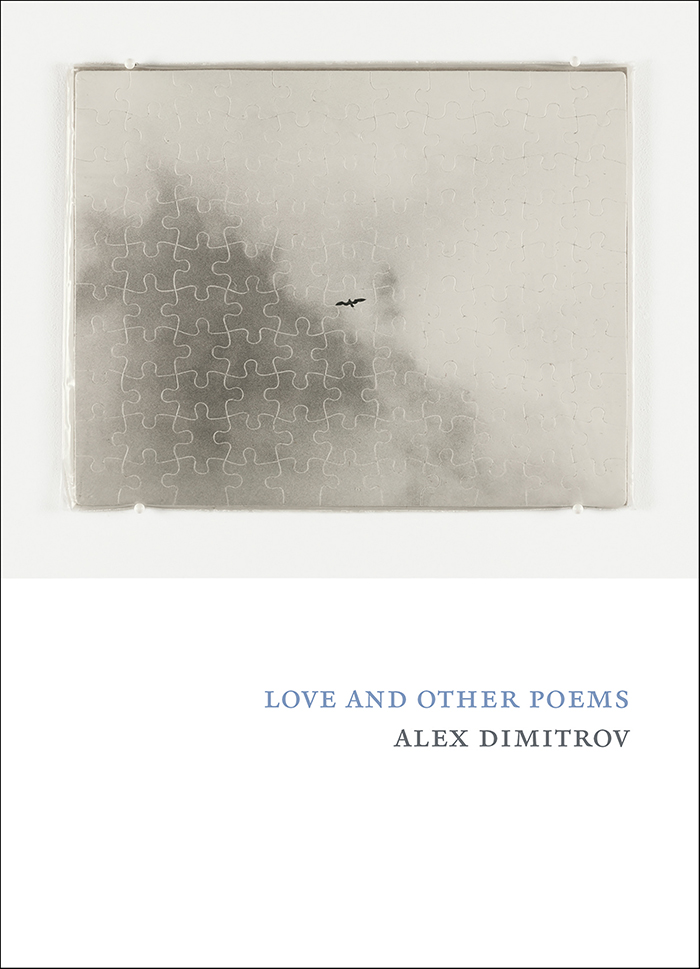
Alex Dimitrov’s third book, Love and Other Poems, is full of praise for the world we live in. Taking time as an overarching structure―specifically, the twelve months of the year―Dimitrov elevates the everyday, and speaks directly to the reader as if the poem were a phone call or a text message.
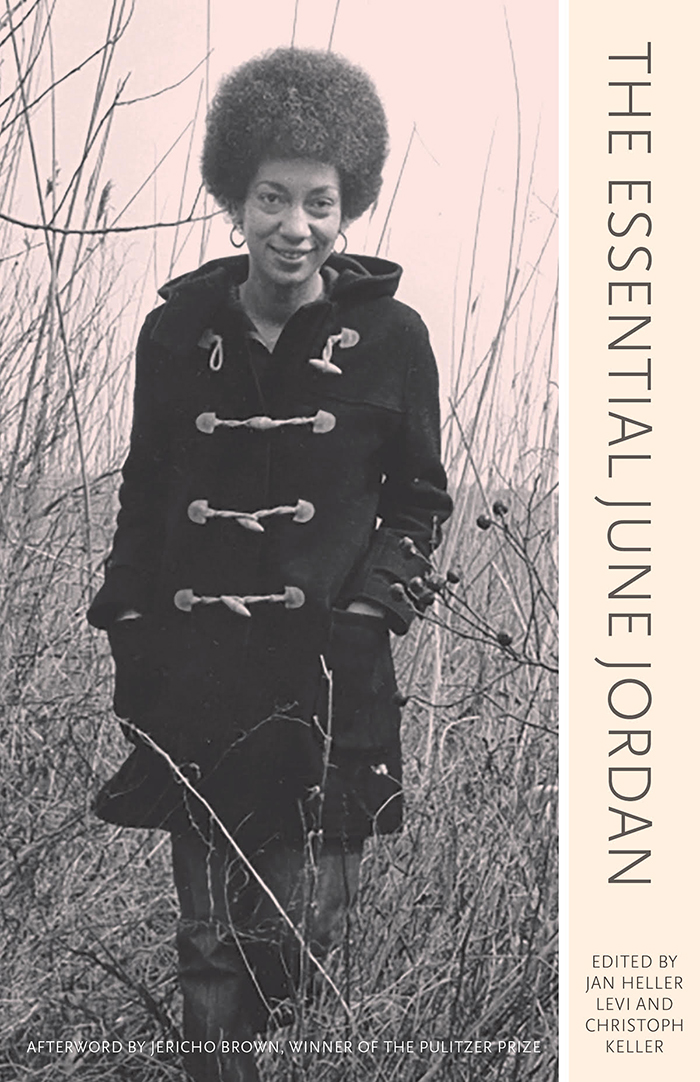
The Essential June Jordan honors the enduring legacy of a poet fiercely dedicated to building a better world. In this definitive volume, featuring an afterword by Pulitzer Prize-winner Jericho Brown, June Jordan’s generous body of poetry is distilled and curated to represent the very best of her works.
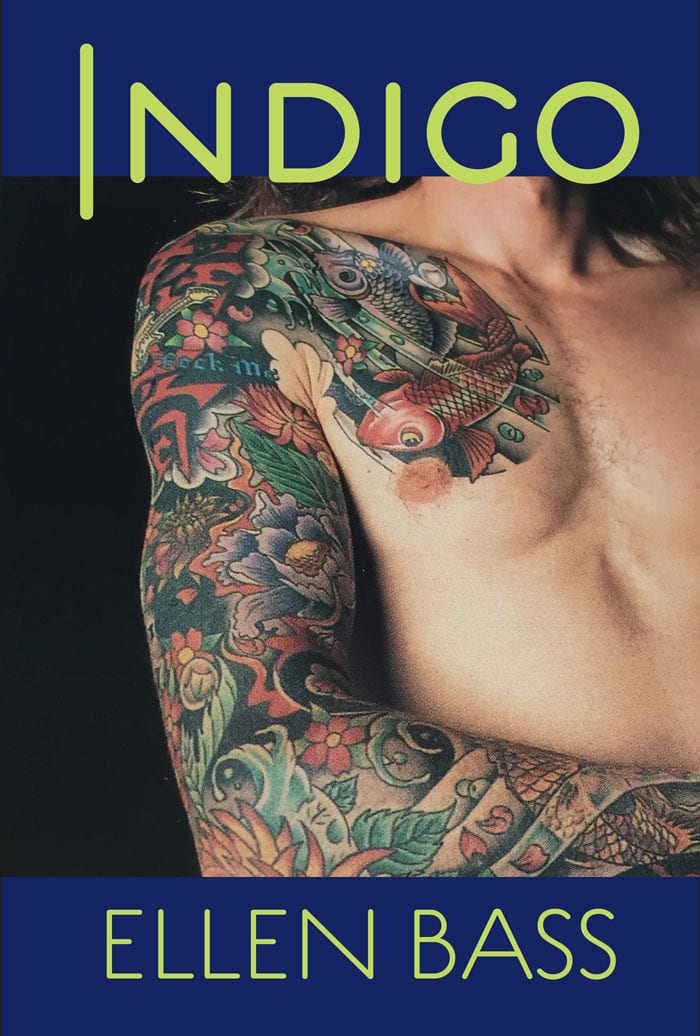
Indigo, the newest collection by Ellen Bass, merges elegy and praise poem in an exploration of life’s complexities. Whether her subject is oysters, high heels, a pork chop, a beloved dog, or a wife’s return to health, Bass pulls us in with exquisite immediacy. Her lush and precisely observed descriptions allow us to feel the sheer primal pleasure of being alive in our own “succulent skin,” the pleasure of the gifts of hunger, desire, touch.
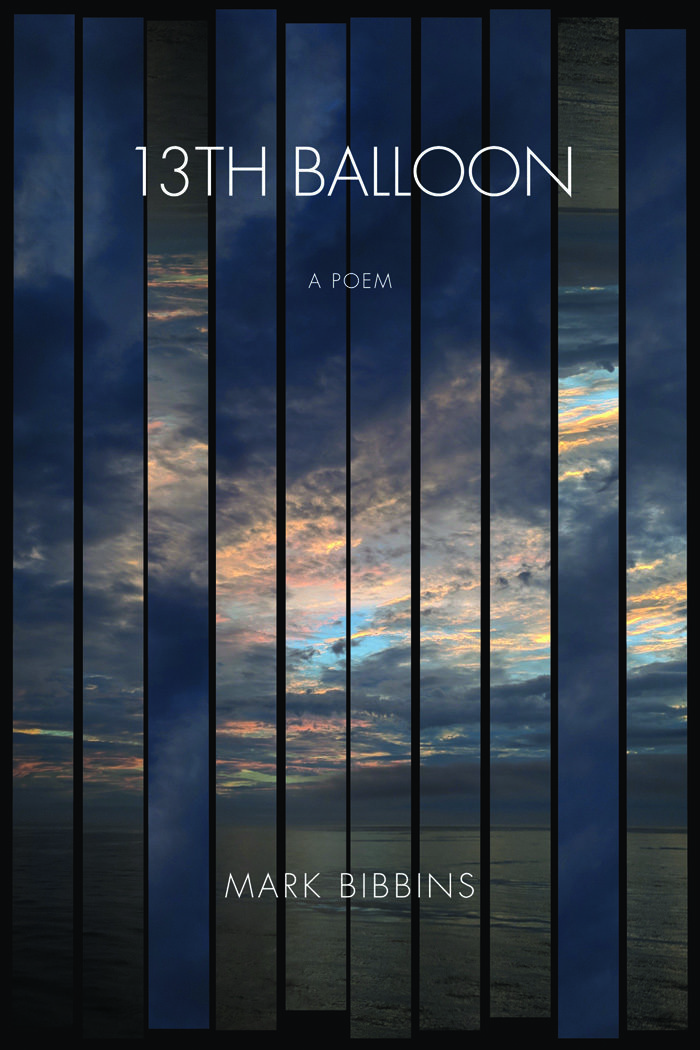
Mark Bibbins’s book-length poem sequence brings the AIDS crisis of the 1980s and ’90s into new light—an account that approximates, with stunning lyricism, “what music sounds like / just before the record skips.” Addressed to a dead beloved, 13th Balloon troubles the cloud-like space of grief by piecing together the fragmented experiences of youth and loss, anguish and desire.
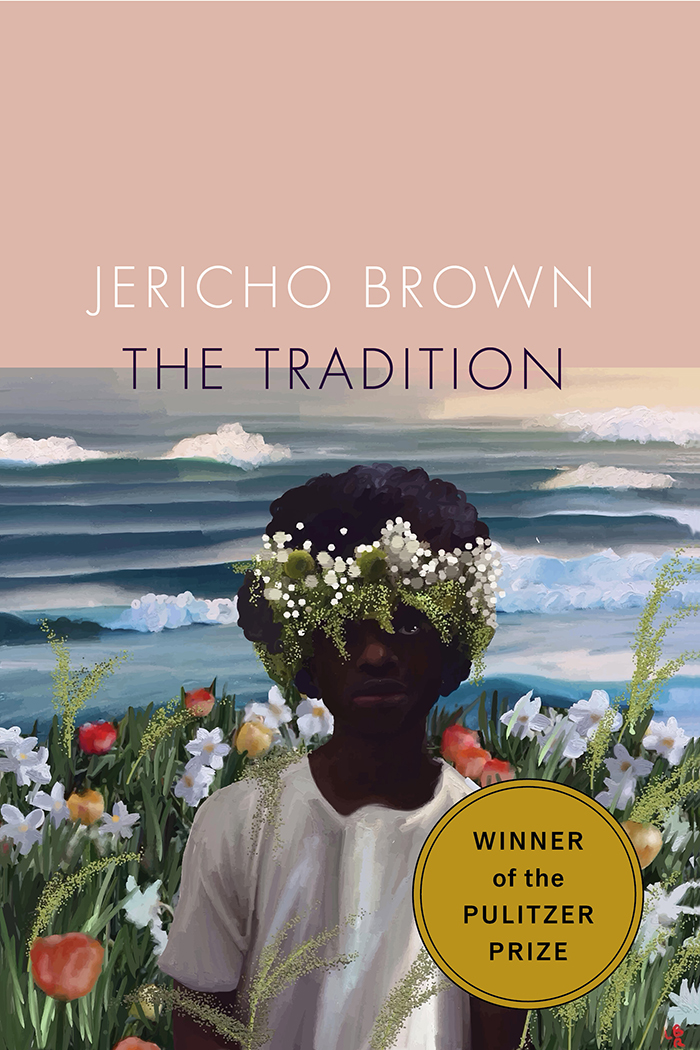
Beauty abounds in Jericho Brown’s Pulitzer Prize-winning poetry collection, despite and inside of the evil that pollutes the everyday. A National Book Award finalist, The Tradition questions why and how we’ve become accustomed to terror: in the bedroom, the classroom, the workplace, and the movie theater. From mass shootings to rape to the murder of unarmed people by police, Brown interrupts complacency by locating each emergency in the garden of the body, where living things grow and wither—or survive.
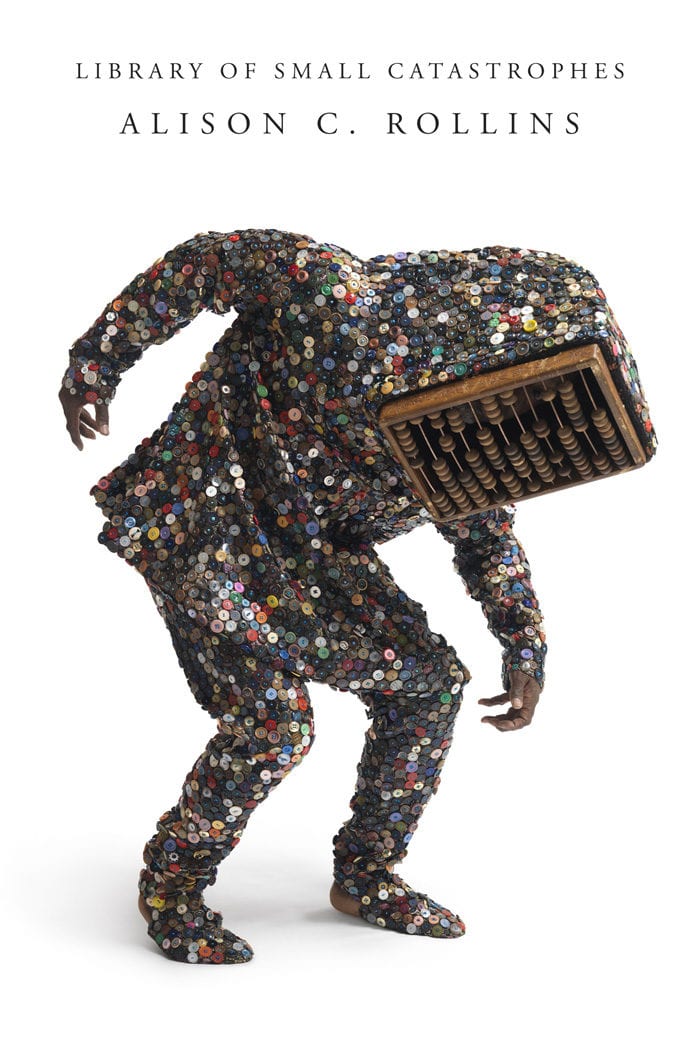
With a nod to Borges’s fascination with libraries, this ambitious first collection by Alison C. Rollins—a librarian herself—archives the grist and grind of life with marvelous linguistic agility and philosophical sapience. “Memory is about the future, not the past,” she reminds, and offers poems as maps: counting teeth and time, marking punctuation and punishment, and remembering disappeared histories.
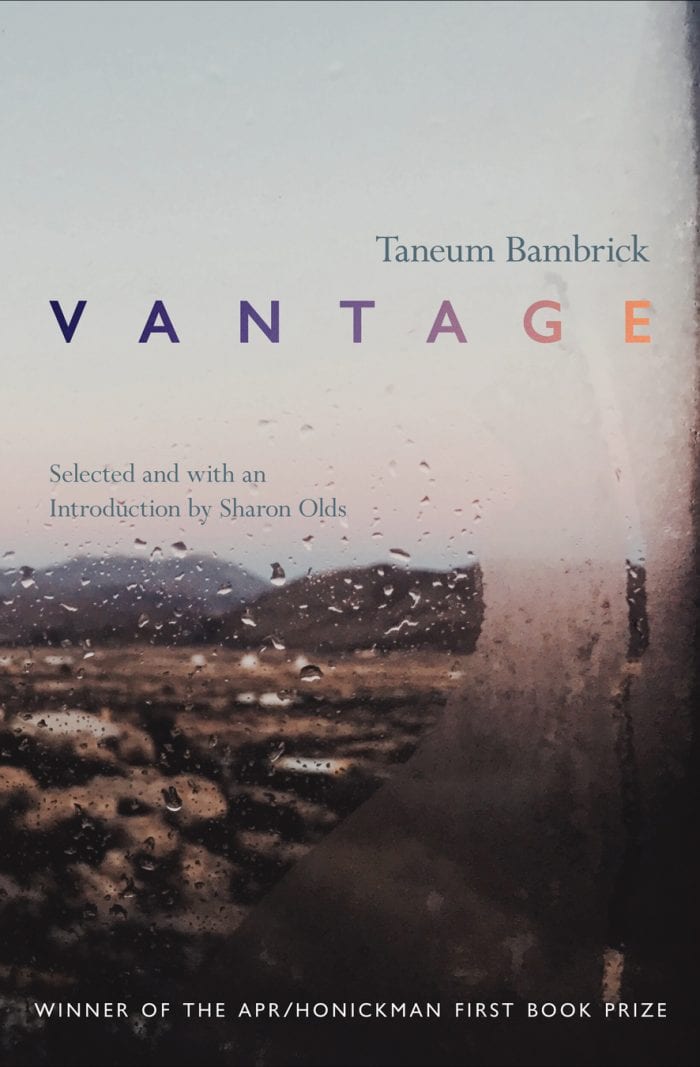
Winner of the APR/Honickman First Book Prize, selected by Sharon Olds (who writes the introduction), Vantage is a fictionalized account of the poet’s time spent working as the only woman on a six-person garbage crew around the reservoirs of two massive dams. Bambrick began writing poems in order to document the forms of violence she witnessed towards the people and the environment of the Columbia River.
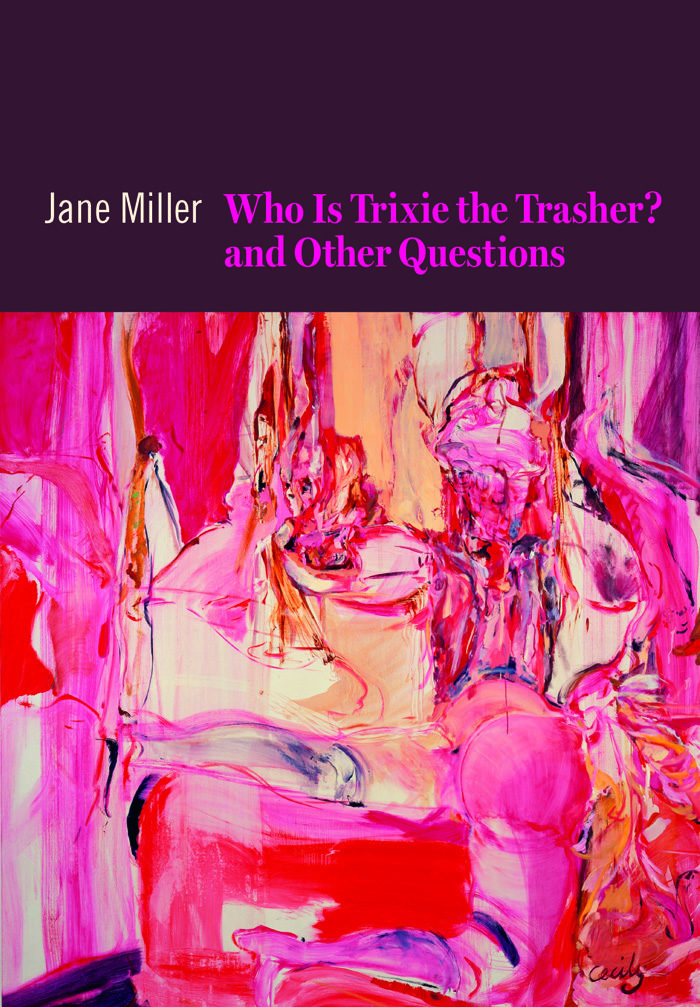
In her eleventh collection, Jane Miller illuminates a dark era with humor, formal interrogation, and tenderness. Who Is Trixie the Trasher? and Other Questions is a hyper-political and yet personal collection. Here Miller’s signature lyric voice is charged with a new sense of urgency as poems run—sprint—through headlines and futuristic visions, towards desire and refusal, empathy and accountability.
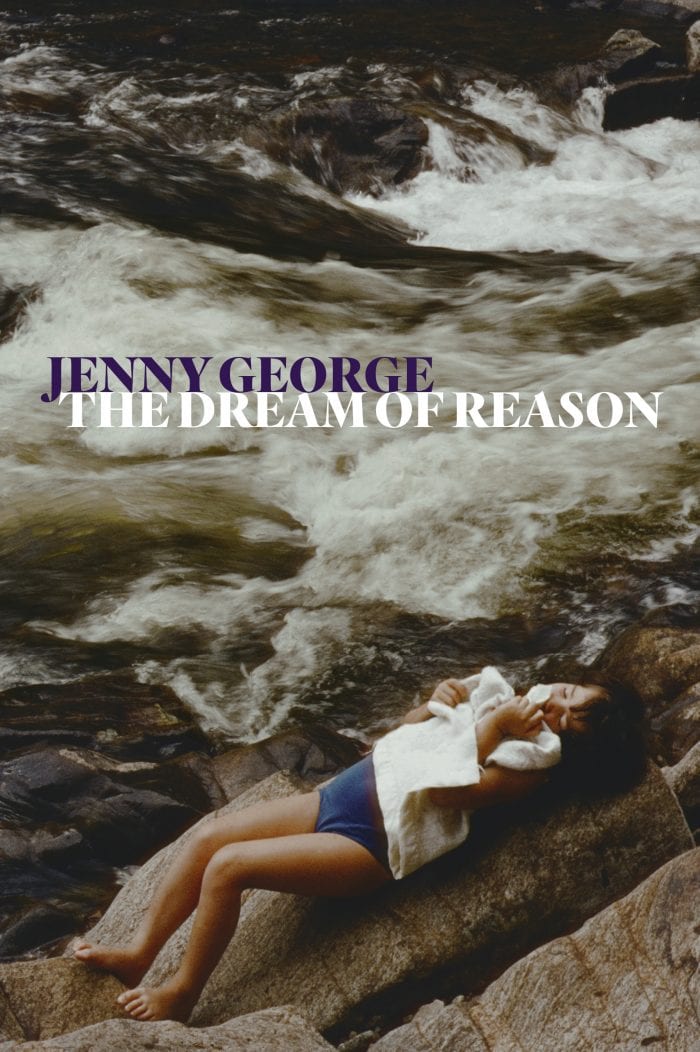
This stunning debut from “Discovery” / Boston Review Poetry Prize winner Jenny George introduces an astonishing poetic talent—a new voice that is intensely focused, patient, and profoundly empathetic. The Dream of Reason explores the paradoxical relationships between humans and animals: those we observe, imagine, keep, fear, and consume.
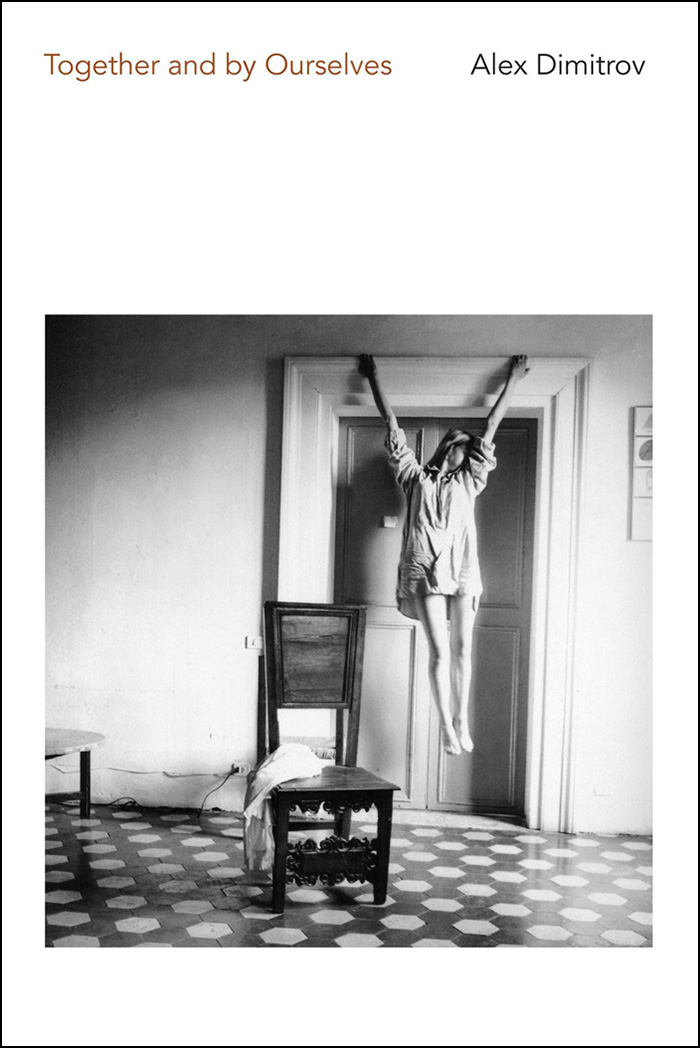
Together and by Ourselves, Alex Dimitrov’s second book of poems, takes on broad existential questions and the reality of our current moment: being seemingly connected to one another, yet emotionally alone. Through a collage aesthetic and a multiplicity of voices, these poems take us from coast to coast, New York to L.A., and toward uneasy questions about intimacy, love, death, and the human spirit.
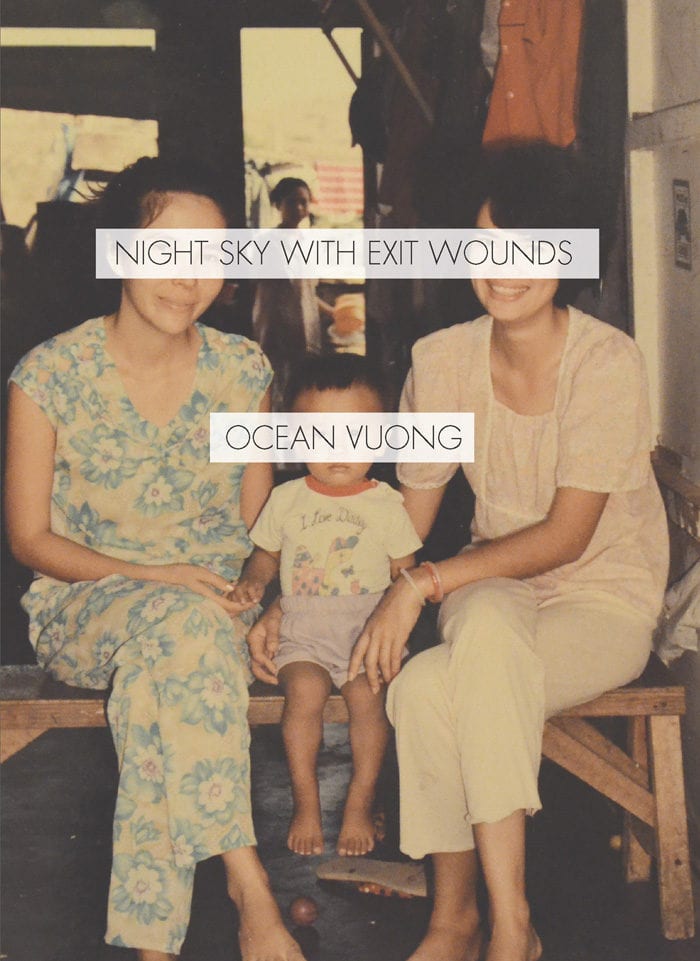
Ocean Vuong’s first full-length collection aims straight for the perennial “big”—and very human—subjects of romance, family, memory, grief, war, and melancholia. None of these he allows to overwhelm his spirit or his poems, which demonstrate, through breath and cadence and unrepentant enthrallment, that a gentle palm on a chest can calm the fiercest hungers.
Through multiple layers of mirrors and refraction, the poems in War of the Foxes show the fallacies inherent in a search for truth, both in the world outside and within the self. Sometimes brutal, sometimes tender, Richard Siken has created another formidable, living work of poetry that will reinforce his reputation as one of the most exciting poets writing today.
Size: 7" x 10"
Available Stock: 50
Price: $20
Year: 2015
Printed By: Expedition Press
Call the Press at 360-385-4925 or email us at poetry@coppercanyonpress.org to purchase.
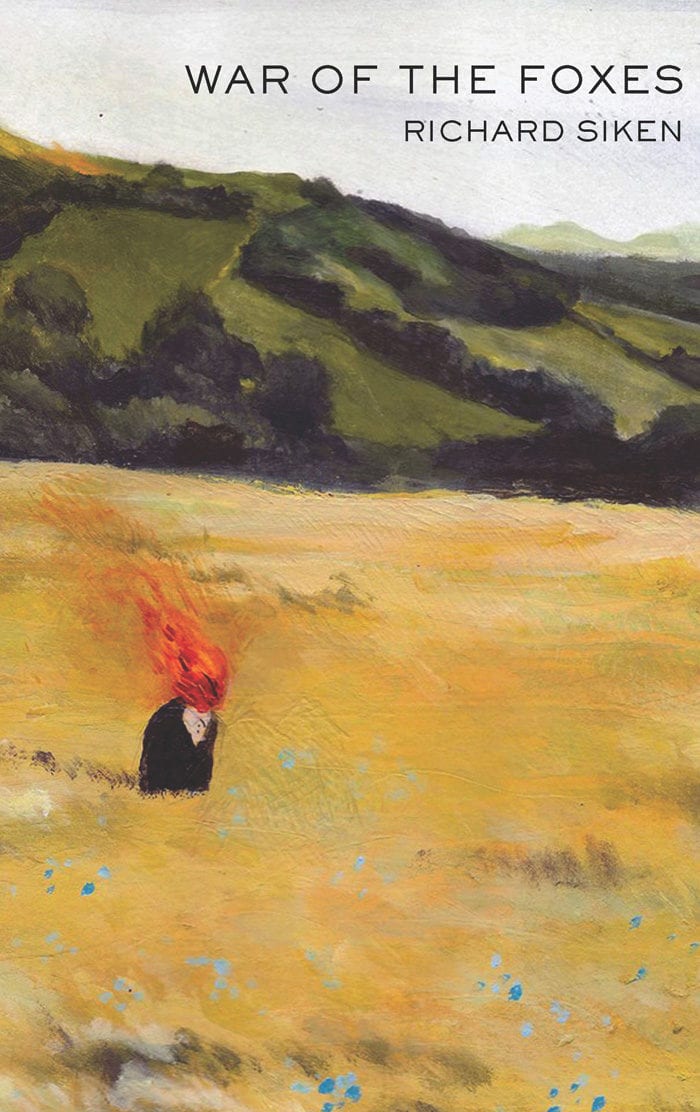
In his long-awaited follow-up to Crush, Yale Younger Poets award winner Richard Siken has created a collection of stunning power and beauty. With interwoven lyrics, fables, portraits and landscapes, Siken confronts the ways in which we look to art for meaning and purpose. “The paint doesn’t move the way the light reflects, / so what’s there to be faithful to? I am faithful / to you, darling. I say it to the paint.”
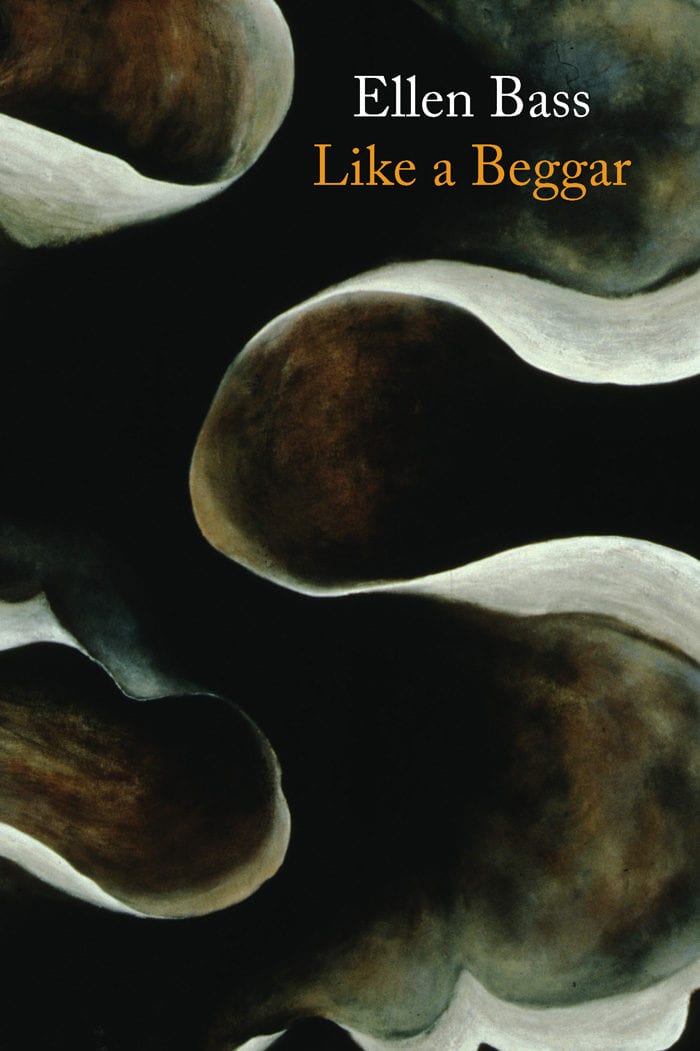
In her third collection of poetry, Like A Beggar, Ellen Bass deftly and piercingly explores life’s essential question: How do we go on? Her poems vividly inhabit sorrow and suffering yet are rich with praise, delighting in the irony and absurdity of our flawed human intelligence. Like a Beggar confronts the “the hard evidence of the earth” with grace, elegantly connecting the humble to the luminous.
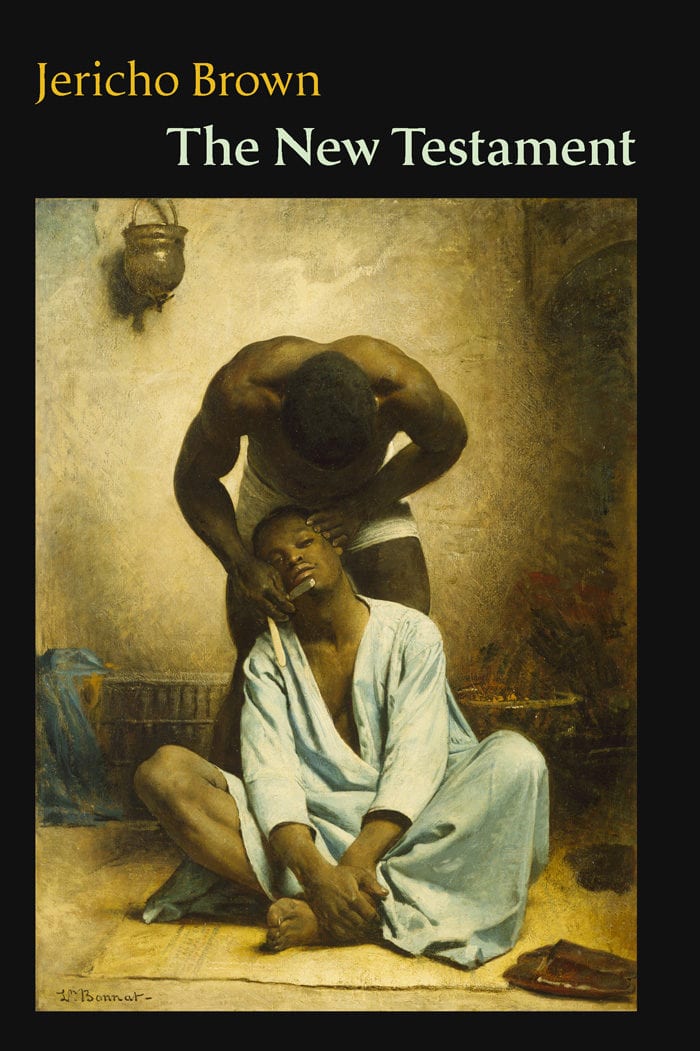
In The New Testament, Jericho Brown summons myth, fable, elegy, and fairy tale in a tender examination of race, masculinity, and sexuality. Intensely musical, Brown’s poetry is suffused with reverence—simultaneously transporting and transforming the reader. “As for praise and worship,” Brown says, “I prefer the latter.”
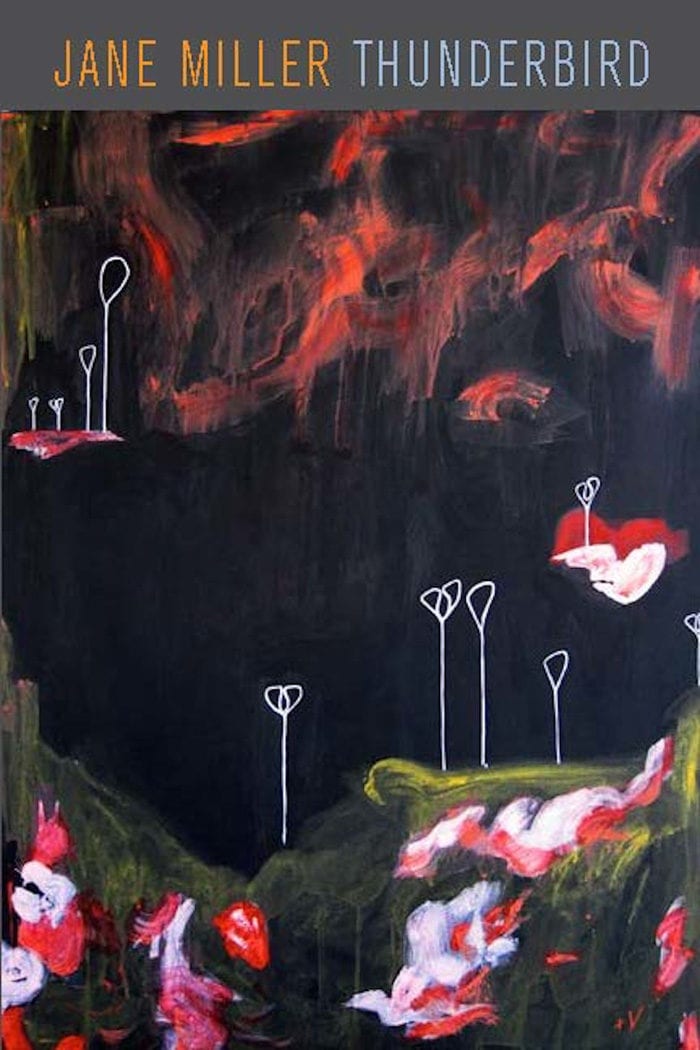
Jane Miller brings a painterly eye to the elegiac in an ambitiously linked sequence that explores ecstasy and desire, memory and loss, the ancient and the ultramodern. Suggesting the thunderbird of indigenous lore as readily as modern American warfare, Thunderbird is a book of mourning and loss redeemed by the body and the mind.
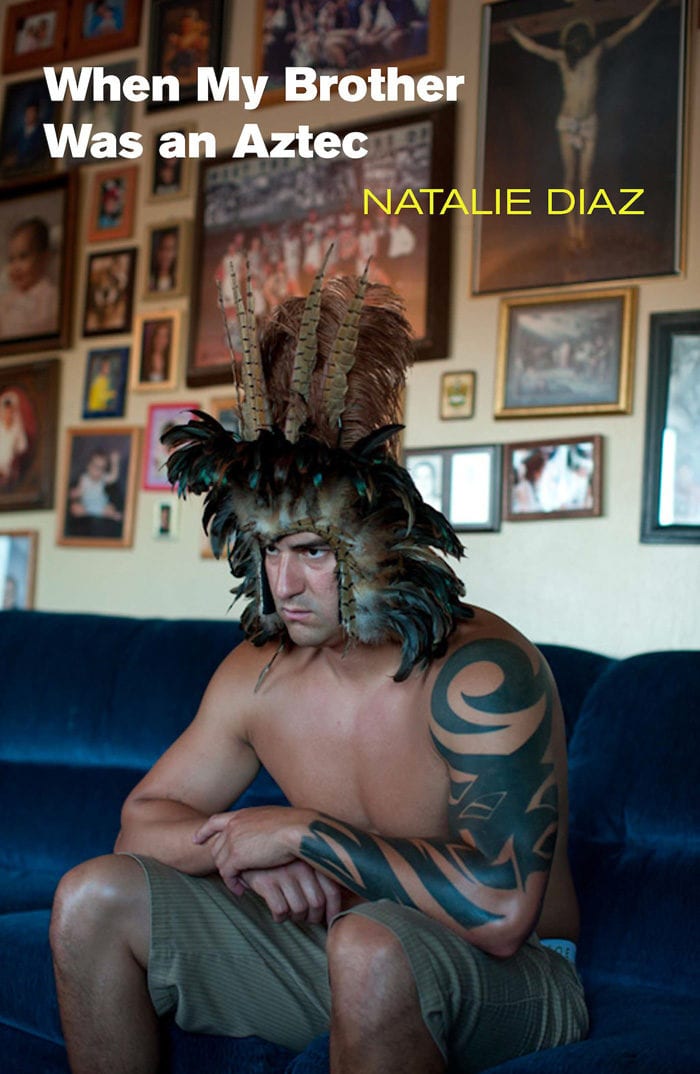
Natalie Diaz’s debut collection, When My Brother Was an Aztec, foregrounds the particularities of family dynamics and individual passion against the backdrop of the mythological intensity of tribal life and a deeply rooted cultural history. In these distinctively voiced poems, a sister struggles with a brother’s addiction to meth, while everyone, from Antigone and Houdini to Huitzilopochtli and Jesus, is invited to hash it out.
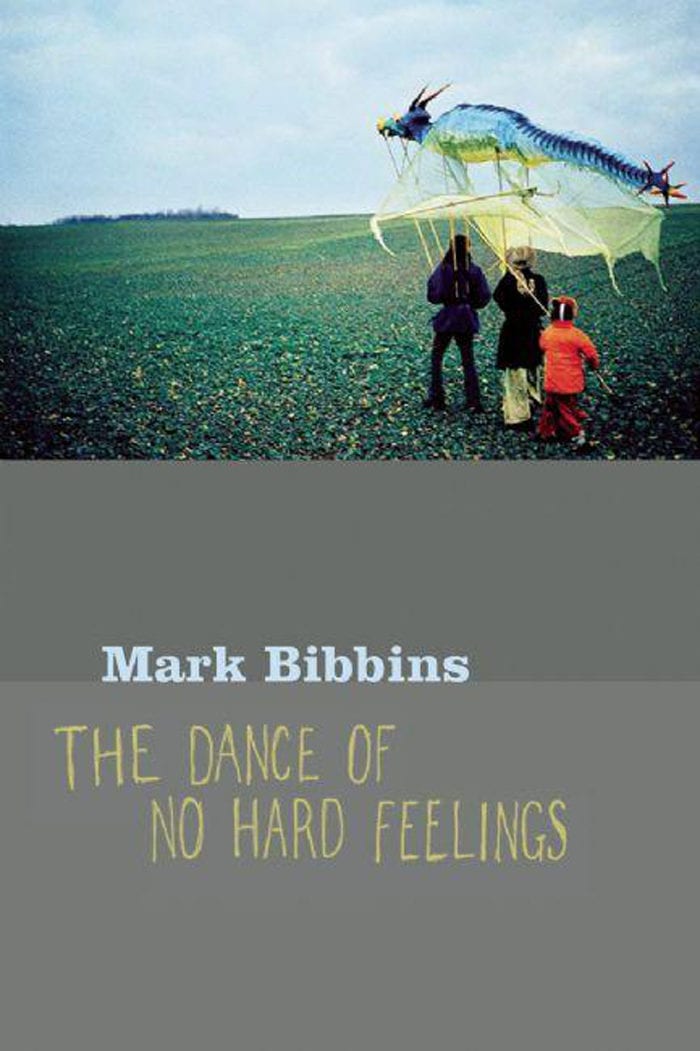
In his second collection, The Dance of No Hard Feelings, Lambda Award winner Mark Bibbins pressures language into a performance of surprising, invigorating movements across syntax and line. Vulnerable yet suspicious and sharp-witted, he responds to a nation responsible for and besieged by a bankrupted presidency, employing concise lyrics and longer sequences while in the process inventing a new form, the exploded double haiku.
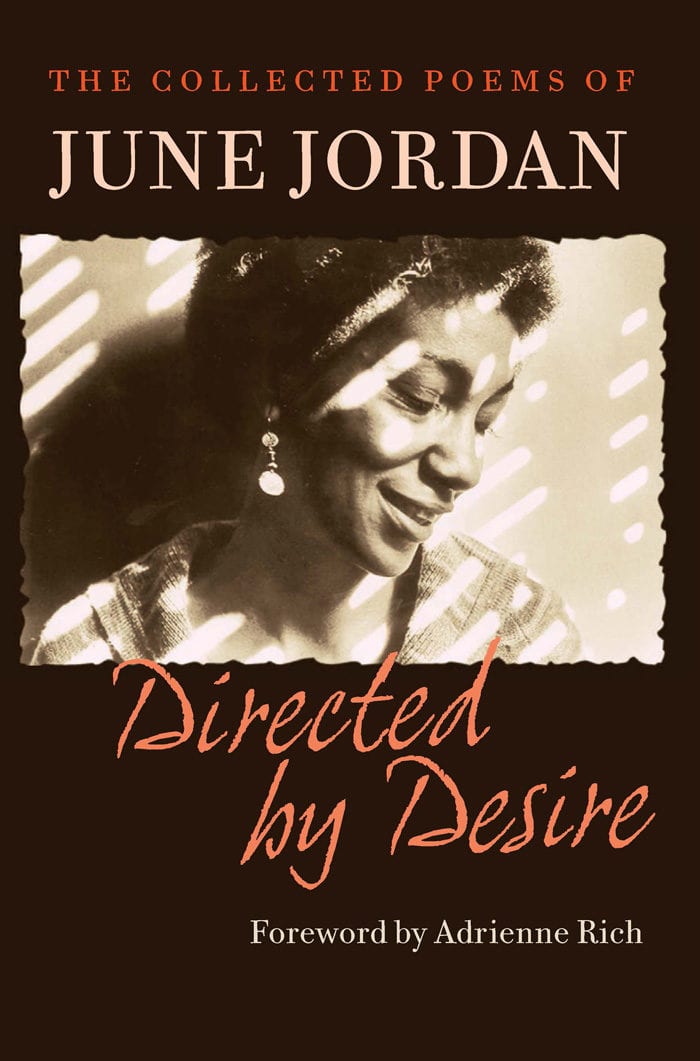
This definitive volume gathers work from June Jordan’s ten books of poetry and includes many never-before-published poems—including a tender, fierce, and innovative collection of poems written before her death in 2002. Throughout her storied career as an artist and activist, Jordan chronicled a living, breathing history of the struggles that have defined the United States.
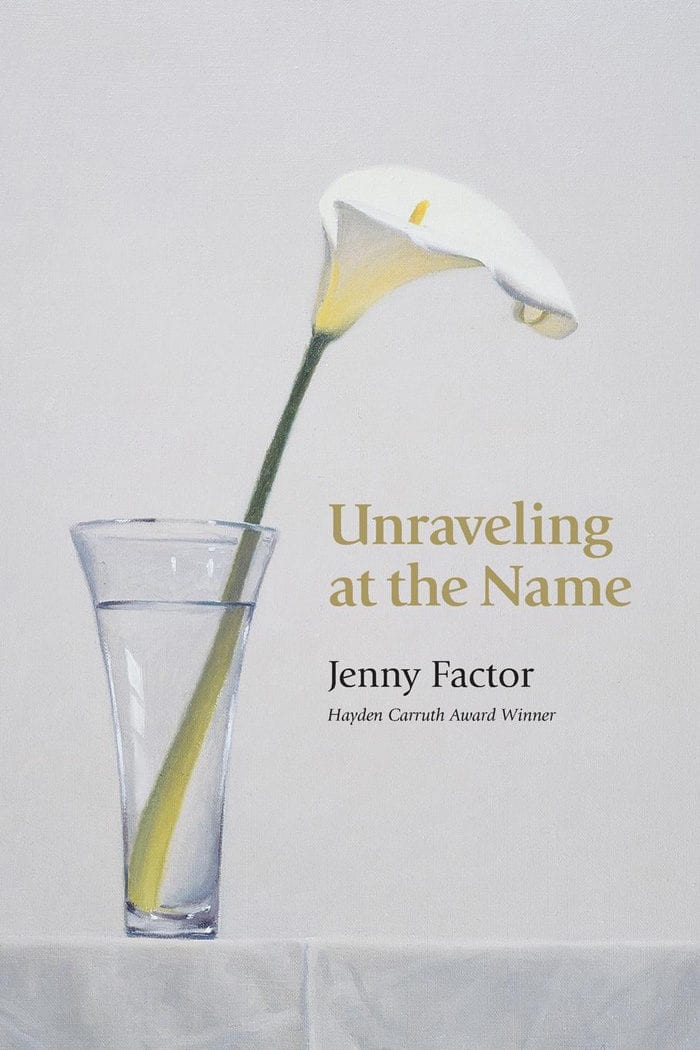
This startling debut weaves eros, motherhood, divorce, and a lesbian journey of self-discovery into a trancendent first book. Rich in sound and clever language play, these tautly crafted poems introduce a poet aware of the tradition into which she writes.
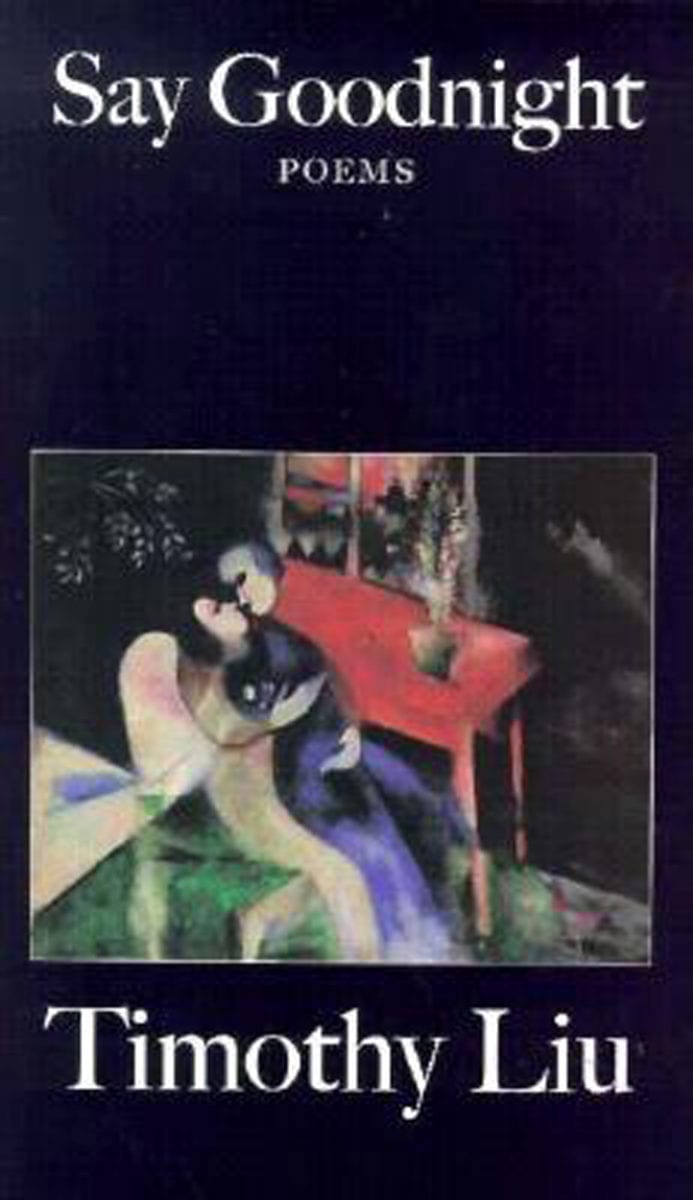
In his third collection of poems, Liu has extended his already considerable range in meticulous poems that are sometimes shocking, sometimes consoling, but consistently vivid in imagery and consequence. From the KKK to the third Century Chinese poet Lu Chi to the Hirshhorn Museum, Liu greets savagery and beauty alike with tender intelligence and a wise eye for revealing detail.
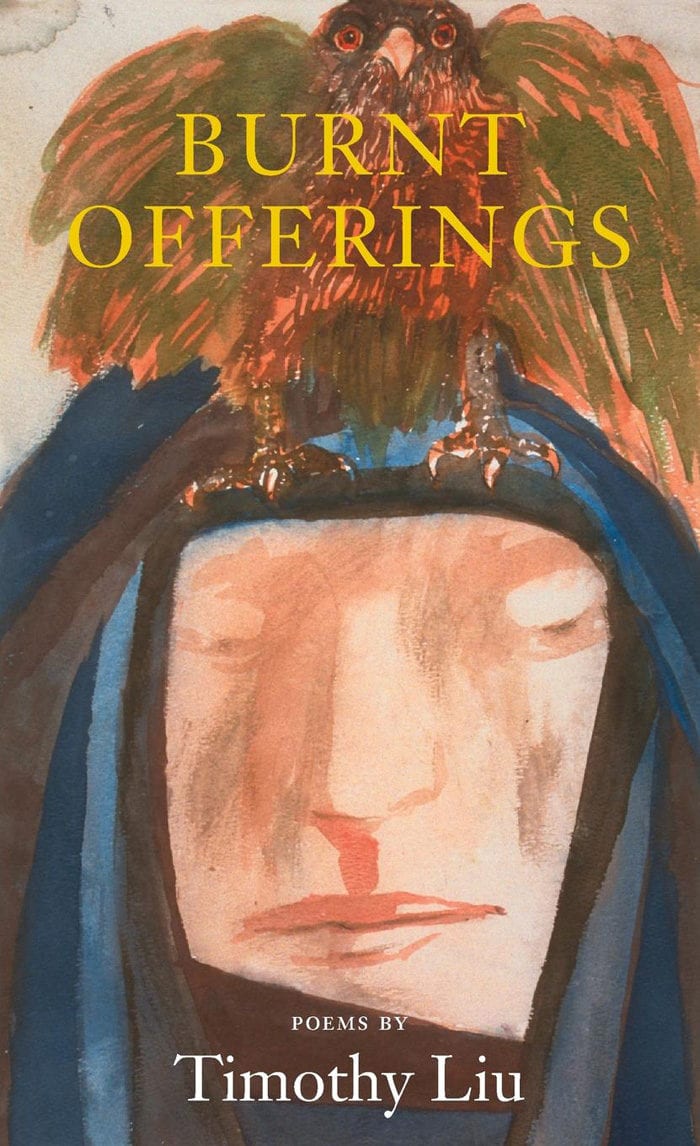
Exploring the interlocking forces of sexuality and spirituality, Burnt Offerings continues the trajectory of Liu’s first collection of poems, Vox Angelica, which won the Norma Farber First Book Award from the Poetry Society of America. Finalist for a Lambda Book Award in Gay Men’s Poetry.